Over the past few years, ChatGPT has transformed the way people work. With a single prompt, AI can write emails, summarize documents, analyze data, create plans, and even assist with programming. These capabilities have encouraged many businesses to incorporate AI into their daily workflows.
However, after using it for a while, many people encounter the same problem. ChatGPT responds quickly and writes fluently, yet the result is often not what they actually need.
You ask AI to write an email to a customer. The email is well-written and professional, but it doesn't match your company's tone of voice. You ask it to create an employee onboarding process, but the steps are completely different from your internal workflow. Or you ask how to handle a customer request, and the answer seems reasonable but doesn't comply with your company's policies.
At that point, many people assume the AI simply isn't smart enough. In reality, the issue lies somewhere else.
ChatGPT Is Smart, But It Doesn't Understand Your Business
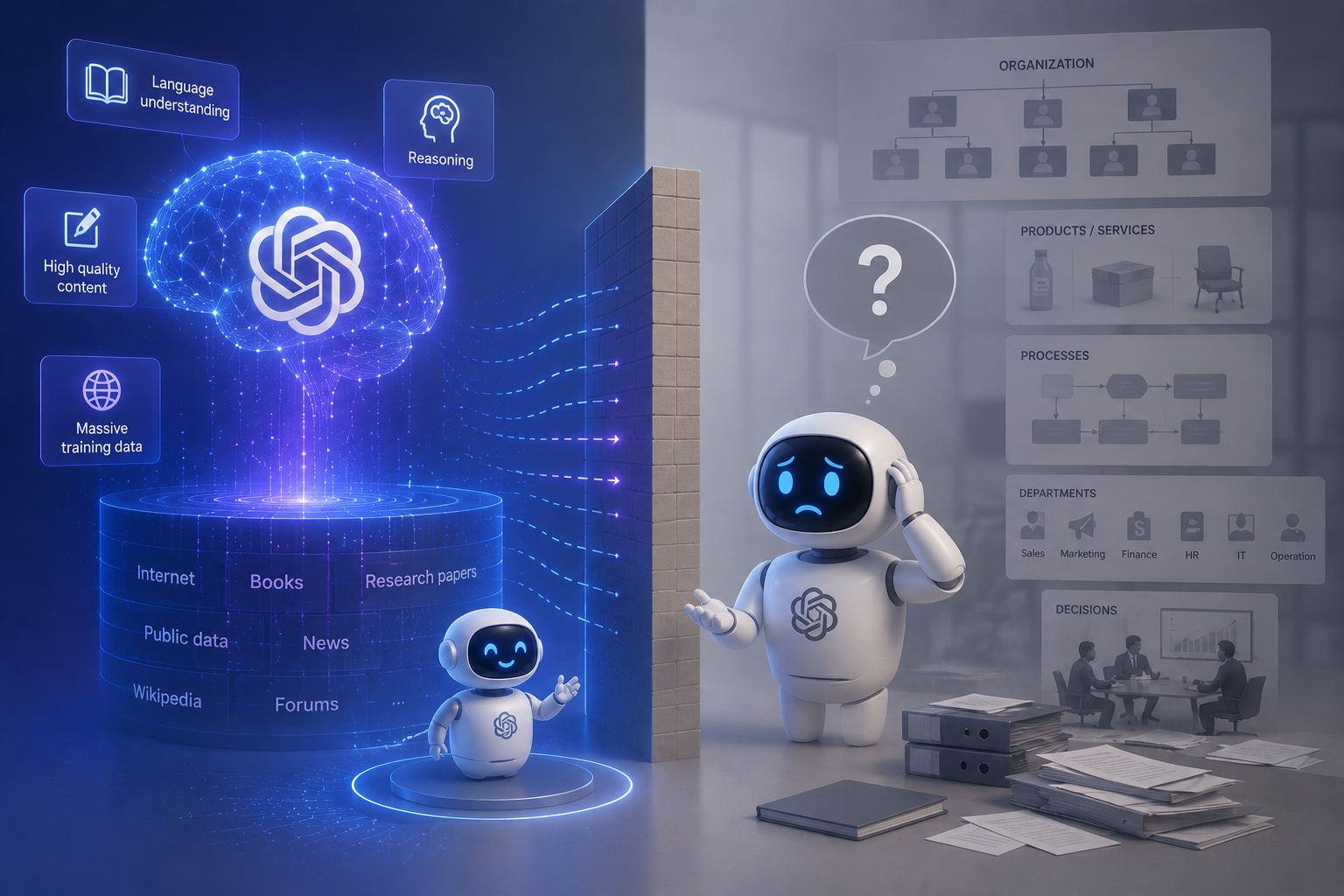
Modern AI models are trained on enormous amounts of data. They can understand language, reason through problems, and generate high-quality content. However, they are not trained on your company's internal knowledge.
AI doesn't know what products your company sells. It doesn't know how each department operates. It also doesn't know the decisions your team made during last week's meetings.
In other words, ChatGPT is highly intelligent, but it lacks the context needed to understand how your business works.
AI Doesn't Lack Intelligence. It Lacks Context.
Imagine your company hires an exceptionally talented employee. On their first day, you ask them to prepare the weekly report.
Their first questions will likely be: Which template should I use? Where does the data come from? Who should receive the report? What internal guidelines should I follow? They aren't asking because they're incapable. They're asking because they don't yet understand your organization.
AI works in much the same way.
When given only a short prompt, AI relies on the general knowledge it has learned. As a result, it can produce a response that is linguistically correct and logically sound, but not necessarily aligned with your company's processes or ways of working.
Why Do You Always Have to Explain Everything Again?
This is a familiar experience for many AI users.
Every time you start a new conversation, you have to introduce your company, describe your customers, explain your workflow, provide reference materials, and specify your preferred writing style. Forget one important detail, and the output may differ significantly from what you expected.
As a result, AI feels like an extremely capable colleague who suffers from short-term memory loss. Every new task starts with training from scratch.
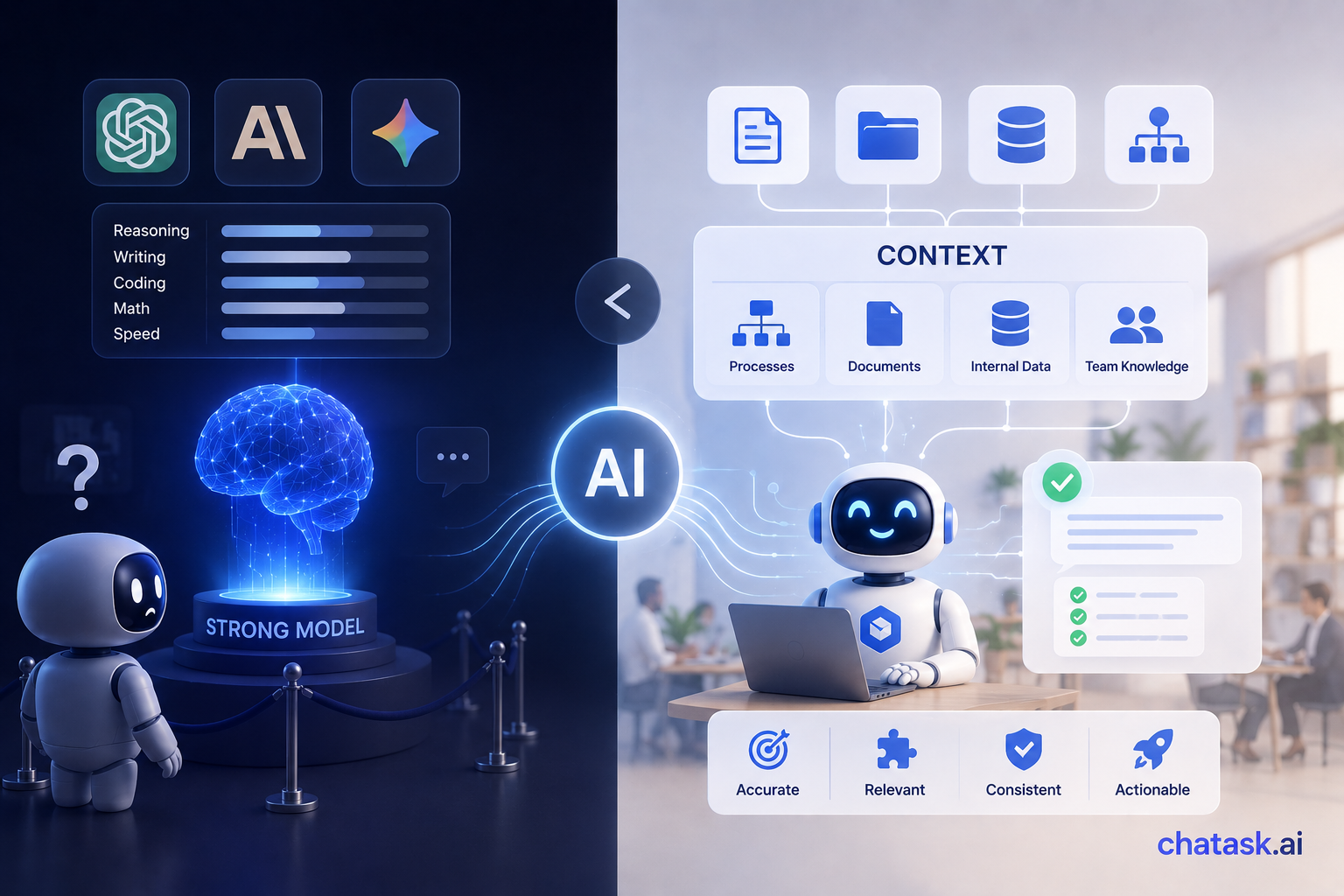
In Business, Context Matters More Than the Model
During the early years of generative AI, most discussions focused on which model was more powerful. GPT, Claude, and Gemini were constantly compared based on their reasoning abilities, writing quality, and overall performance.
But as organizations began deploying AI in real business environments, many realized that the model itself is only part of the equation. The quality of an AI-generated answer depends not only on how intelligent the model is, but also on how well it understands the business.
An AI equipped with the right context—your processes, documentation, and internal knowledge—can often deliver far more useful results than a more powerful model that knows nothing about your organization.
Before AI Can Understand Your Business, Your Knowledge Must Be Organized
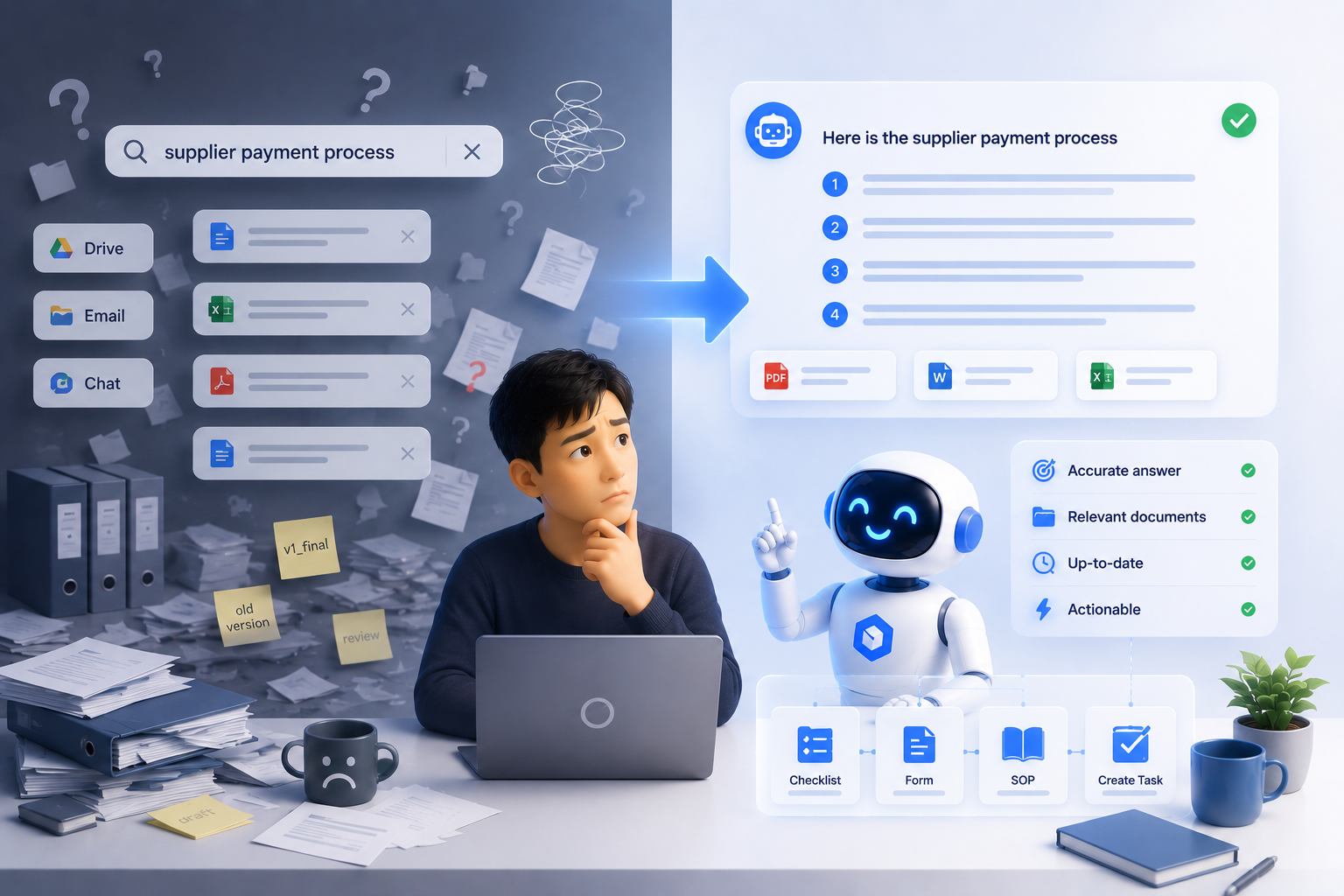
In many companies, information is scattered everywhere. Some documents are stored in Google Drive, others are buried in email threads or chat conversations, while many important files exist only on someone's personal computer or in the minds of experienced employees.
Even people struggle to find the right information in this environment. It is unrealistic to expect AI to understand fragmented knowledge spread across multiple systems.
This is why Wiki is becoming an essential component of modern AI Workspaces.
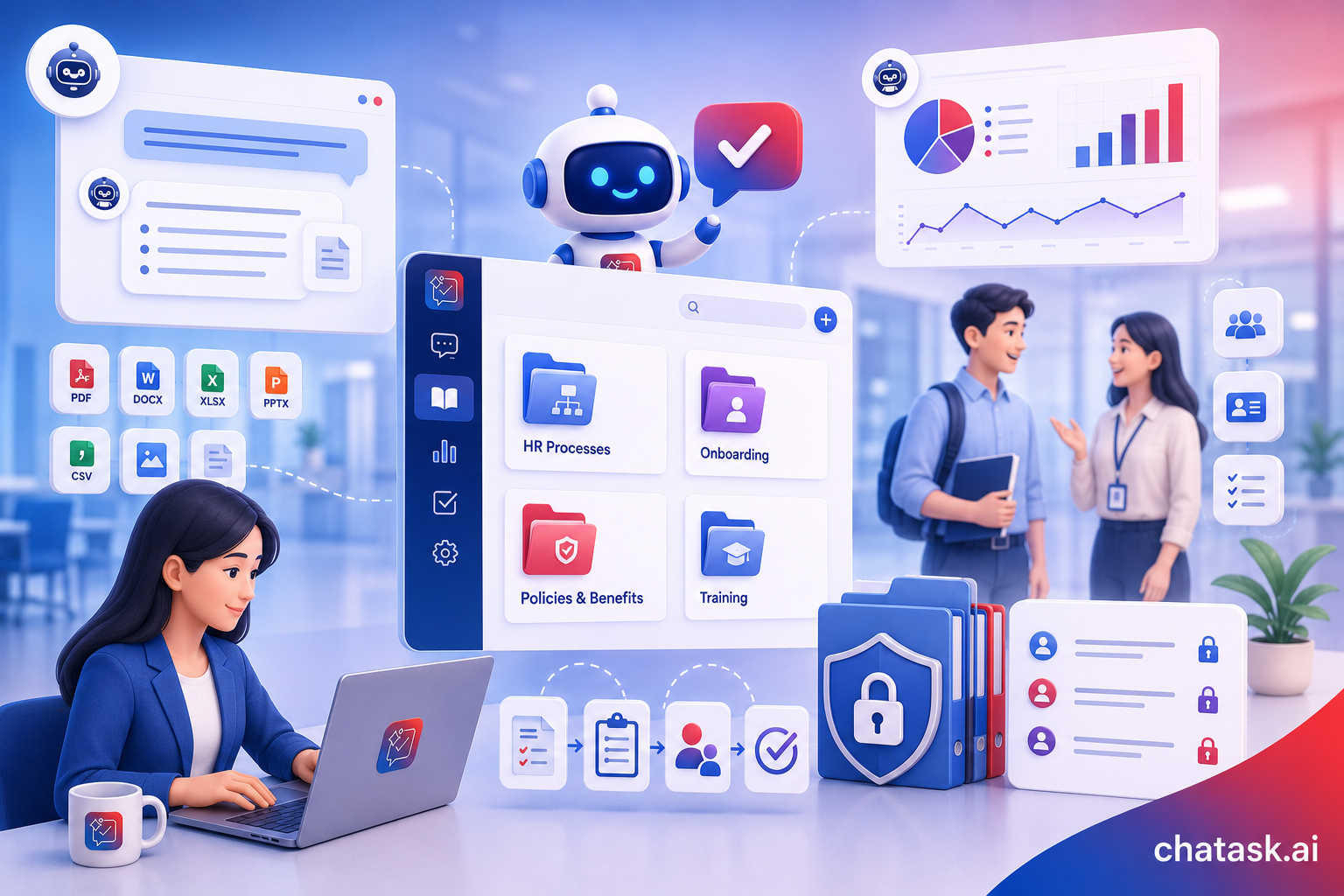
A Wiki is much more than a document repository. It serves as a centralized knowledge hub that brings together your company's SOPs, workflows, policies, FAQs, templates, project knowledge, and operational expertise into a single source of truth.
When AI Is Connected to Your Wiki, Everything Changes
Imagine an employee asking AI:
"What is the process for supplier payment?"
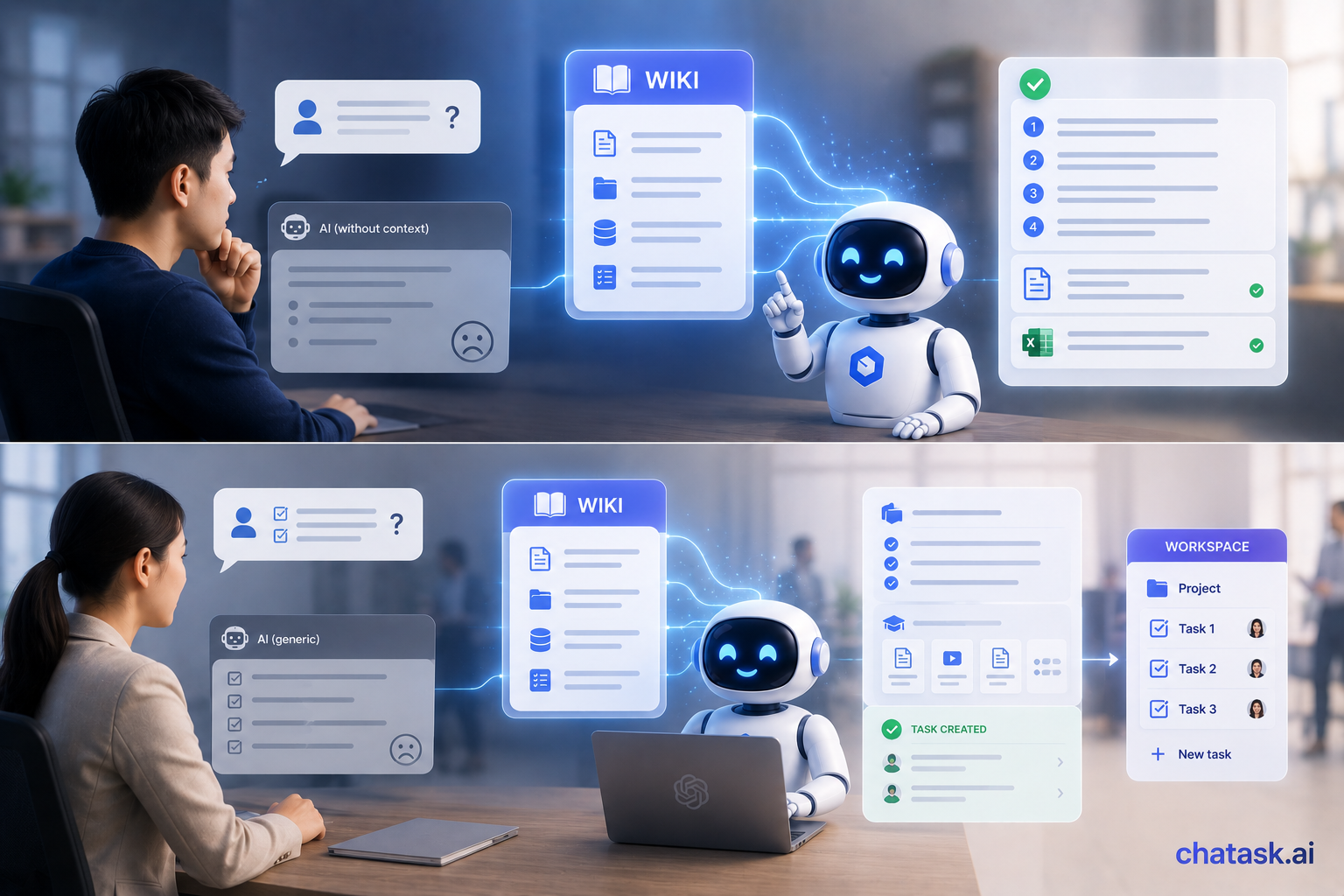
Instead of generating a generic answer, AI can locate the correct documentation in the Wiki, summarize the required steps, retrieve the appropriate forms, and respond based on your company's actual procedures.
Now imagine a manager asking:
"Create an onboarding checklist for a new employee."
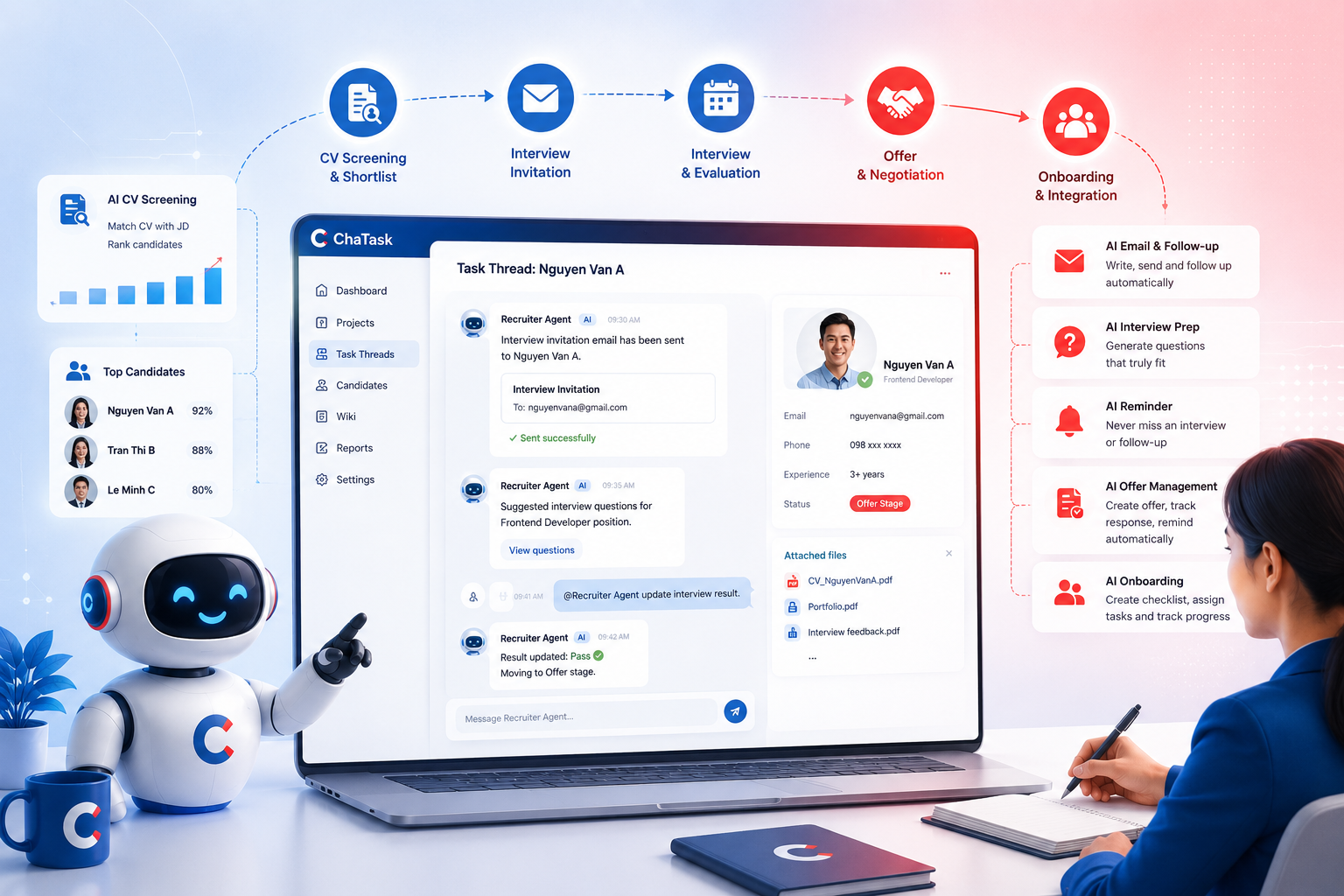
Rather than producing a generic checklist, AI can use your company's existing onboarding process stored in the Wiki, attach the necessary training materials, and immediately create Tasks within the Workspace so the team can begin execution.
At this point, AI is no longer just answering questions. It is working with your organization's knowledge.
From an Intelligent Chatbot to a True Digital Teammate
This is the fundamental difference between using AI as a chatbot and using AI as part of your business operations.
A chatbot responds only to the information provided in the current conversation. An AI Workspace, on the other hand, connects AI with your Wiki, Projects, Tasks, and workplace context, allowing AI to understand not only the question being asked but also how your organization operates.
In ChaTask, Wiki is not simply a standalone knowledge repository. It is directly connected to Workspaces, Projects, Tasks, and AI Agents. Whenever work needs to be completed, AI can reference the appropriate documentation, follow the correct procedures, respect user permissions, and either provide accurate answers or take meaningful actions based on your company's knowledge.
Conclusion
ChatGPT doesn't fail to understand your business because it isn't intelligent enough. What it lacks is context.
In the AI-First era, competitive advantage will not come solely from adopting the most advanced AI model. It will come from a company's ability to organize, manage, and connect its internal knowledge. When Wiki becomes the central knowledge hub and is seamlessly integrated with AI, AI doesn't just provide better answers—it becomes a reliable teammate that helps your organization work more accurately, consistently, and efficiently every day.