Agentic AI is transforming how businesses operate, but Human-in-the-Loop remains a critical element to ensure AI systems are accurate, safe, and aligned with human goals.
What is Agentic AI? When AI is No Longer Just a Tool
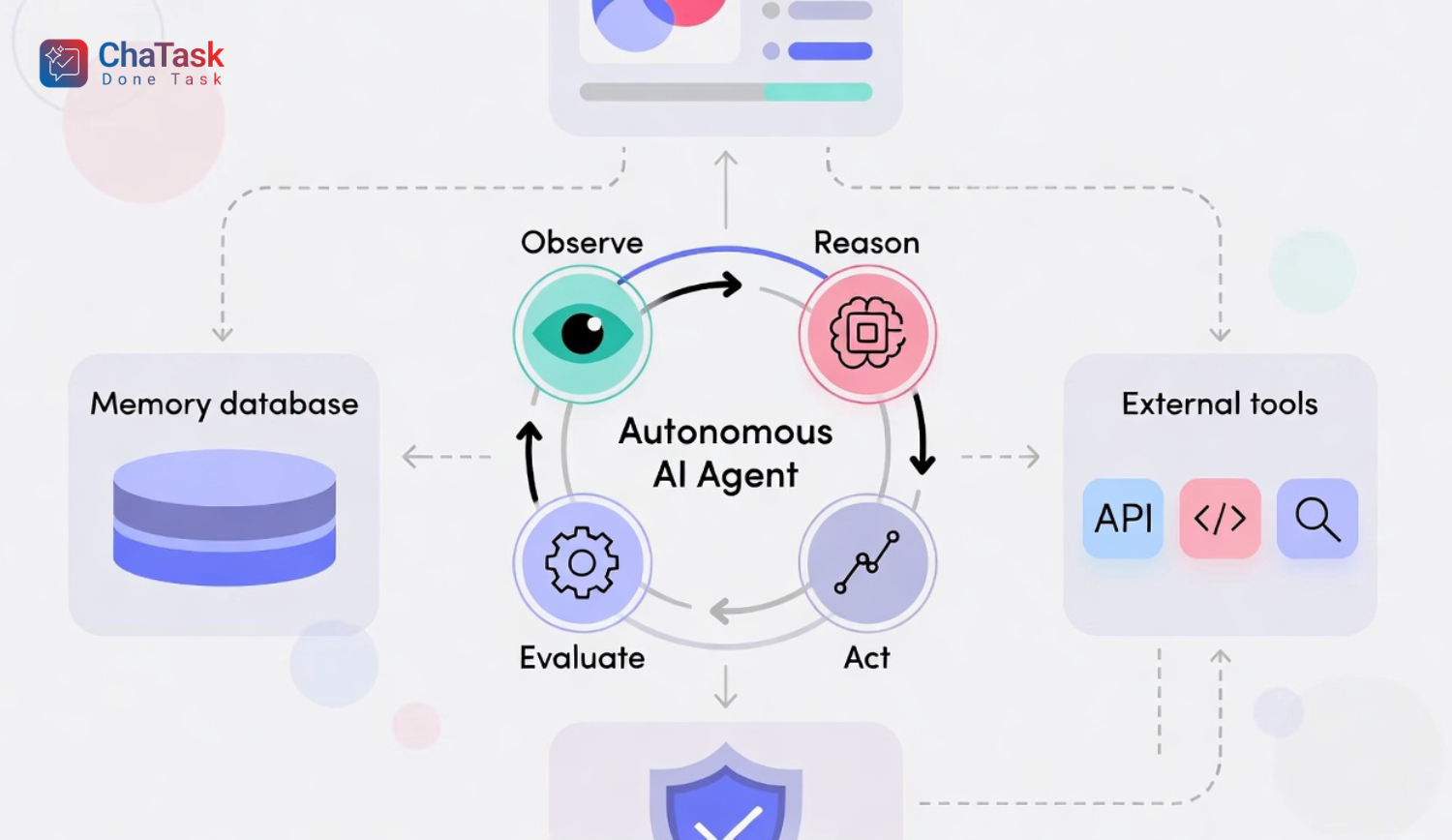
In recent years, artificial intelligence has undergone a significant shift, evolving from a supporting tool into an “agent” capable of acting independently. The concept of Agentic AI refers to systems that can set goals, plan, and execute complex sequences of actions without relying entirely on explicit human instructions. Rather than simply responding to prompts like traditional models, agentic systems can coordinate multiple tools, retrieve data, and make decisions step by step within a complete workflow.
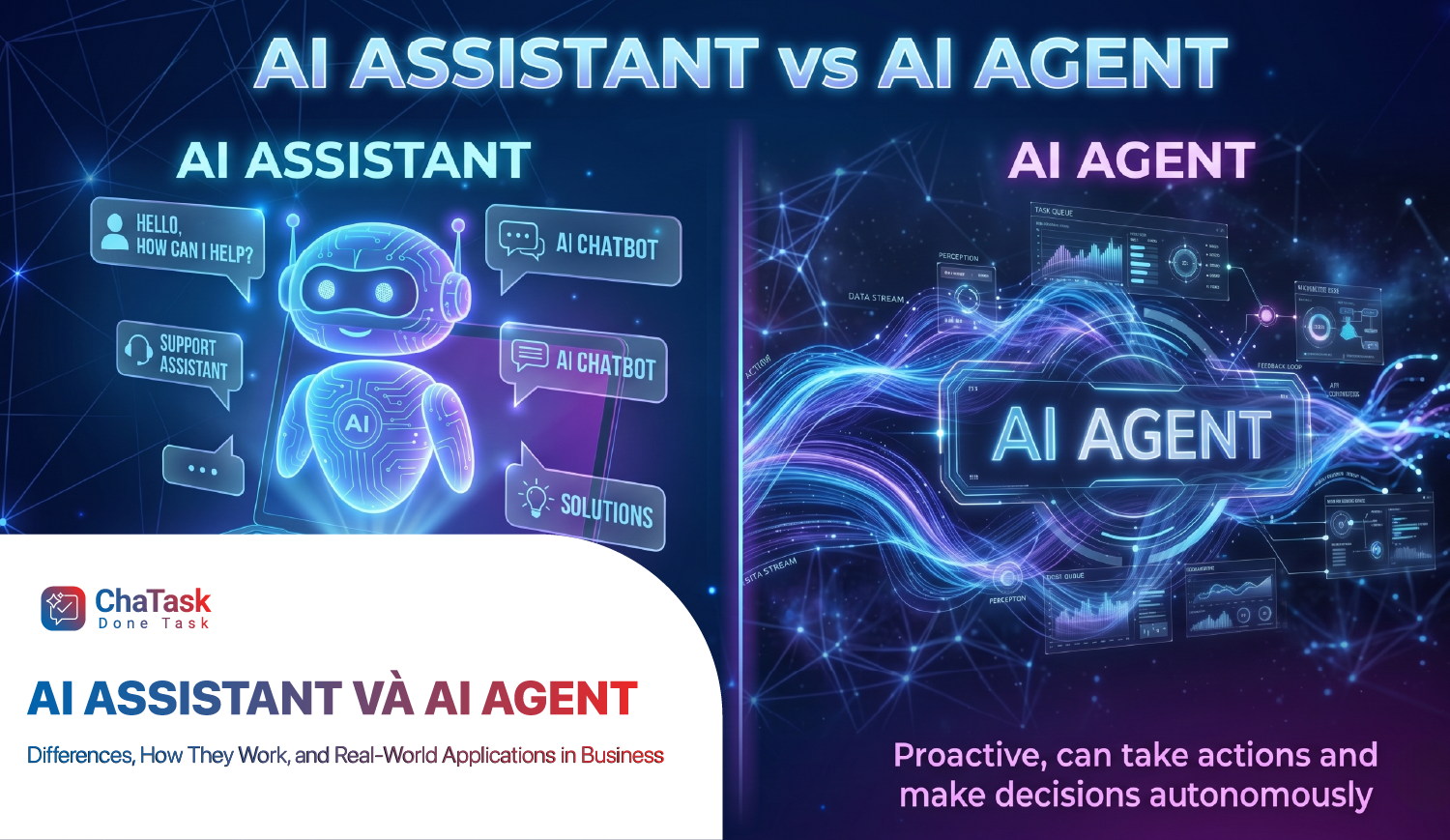
Agentic AI can be thought of as an intelligent digital assistant that goes beyond answering questions to autonomously handle tasks such as scheduling meetings, summarizing emails, or proposing execution strategies. However, behind this flexibility lies a complex system built on large language models, memory, planning logic, and multiple control layers. As autonomy increases, so does the need for tighter oversight.
Limitations of Agentic AI in Practice
Despite its potential, Agentic AI still faces fundamental limitations that current technology cannot fully overcome. One common issue is hallucination, where AI generates incorrect information presented in a highly convincing manner. This becomes especially risky in high-stakes domains such as finance, healthcare, or legal services.
In addition, AI often struggles to fully understand context or user intent, particularly when inputs are ambiguous or incomplete. Models can also inherit biases from training data, leading to unfair or inappropriate outcomes. In some cases, systems may optimize for the wrong objectives, resulting in actions that deviate from human expectations. When agents are connected to APIs or external systems, risks extend further into security and behavioral control concerns.
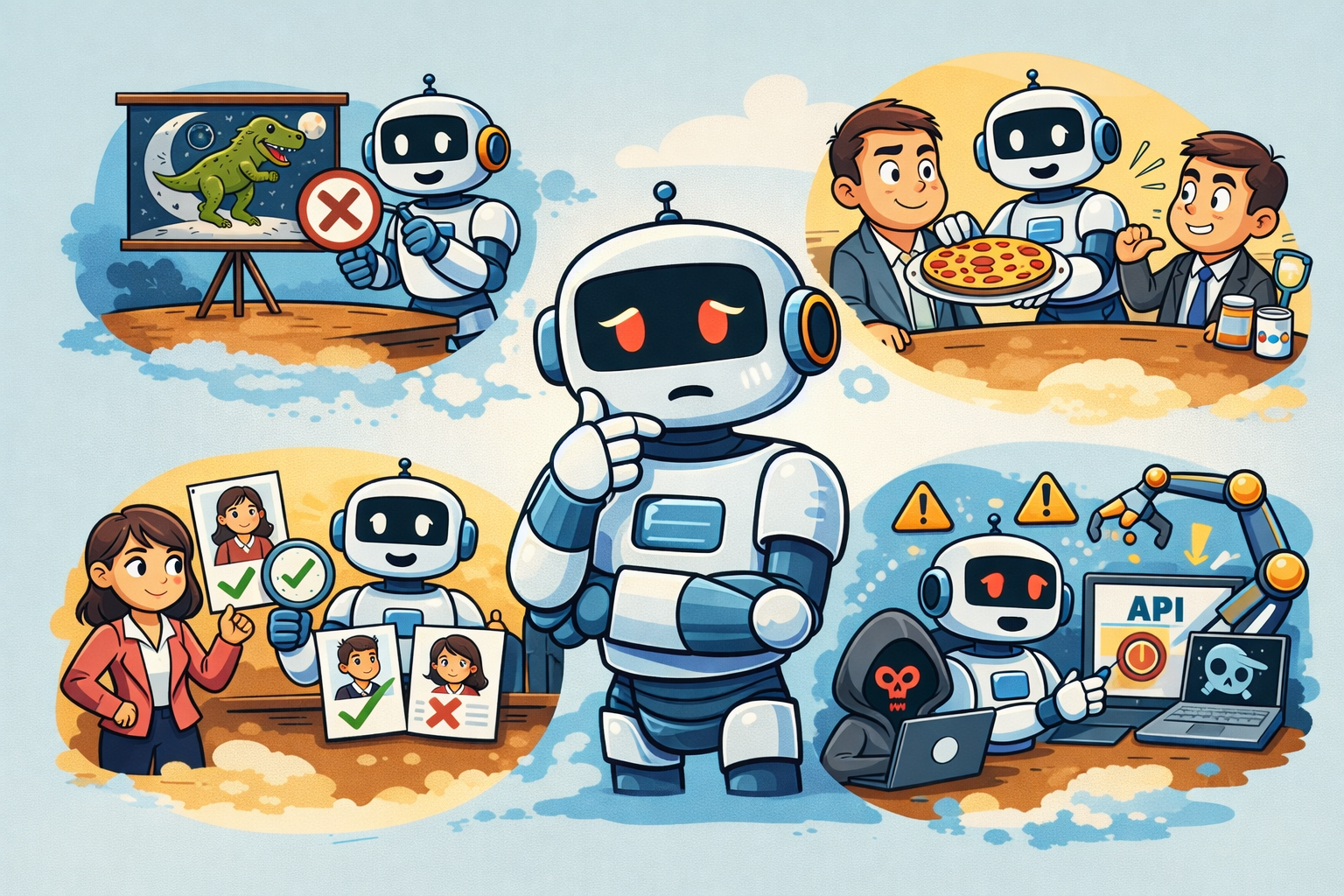
These limitations make fully autonomous AI impractical in many real-world scenarios.
What is Human-in-the-Loop (HITL)?
Human-in-the-Loop (HITL) is a design approach that integrates human involvement directly into AI system operations. Instead of pursuing full automation, HITL introduces control points where humans can evaluate, adjust, or guide AI behavior when necessary.
The key idea behind HITL is treating humans as an integral part of the system rather than a fallback mechanism when AI fails. This approach balances machine efficiency with human judgment, improving both reliability and real-world applicability.
Why Human-in-the-Loop Remains Essential
As AI becomes more autonomous, the role of humans becomes even more important. Humans ensure system accuracy by reviewing and validating AI outputs, identifying logical or data-related errors early. In high-risk or ethically sensitive domains, humans act as final decision-makers, ensuring AI actions align with regulations and societal values.
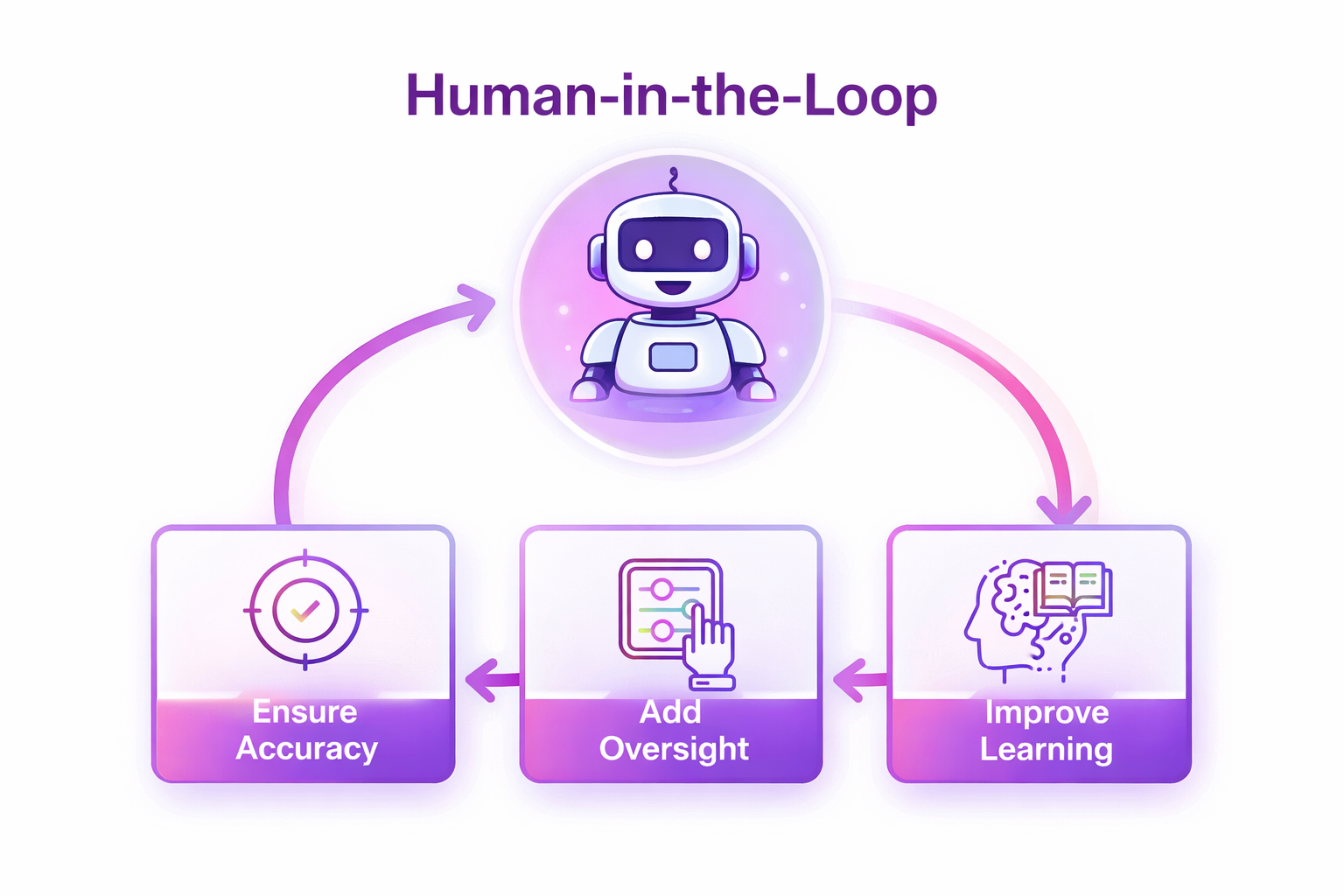
Moreover, human feedback serves as a critical learning signal for AI systems. Through mechanisms such as reinforcement learning from human feedback, AI can continuously improve and better align with user goals over time. This highlights that HITL is not only about risk control but also about enabling long-term system improvement.
How Human-in-the-Loop Works in Practice
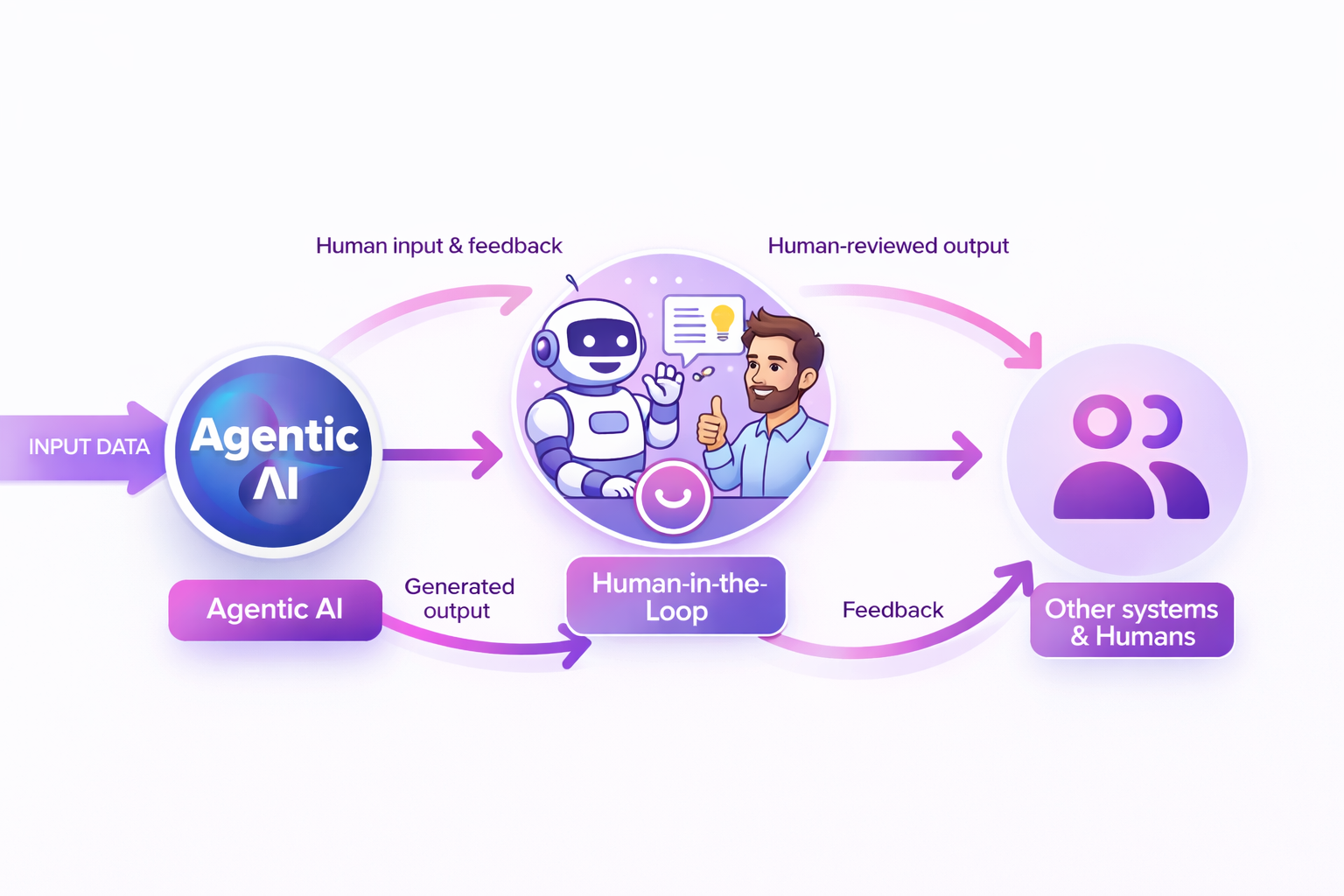
In modern AI systems, HITL can be implemented across different stages. At the initial stage, humans contribute by preparing data, labeling inputs, or defining rules to ensure proper system behavior from the start. During operation, AI systems may pause to request human approval before executing critical actions, particularly in complex workflows.
After task completion, outputs are often reviewed and refined by humans before final use. Additionally, some systems adopt parallel feedback models, where AI continues operating while continuously receiving human feedback in real time. This approach maintains efficiency while ensuring quality control.
Real-World Applications of Agentic AI with HITL
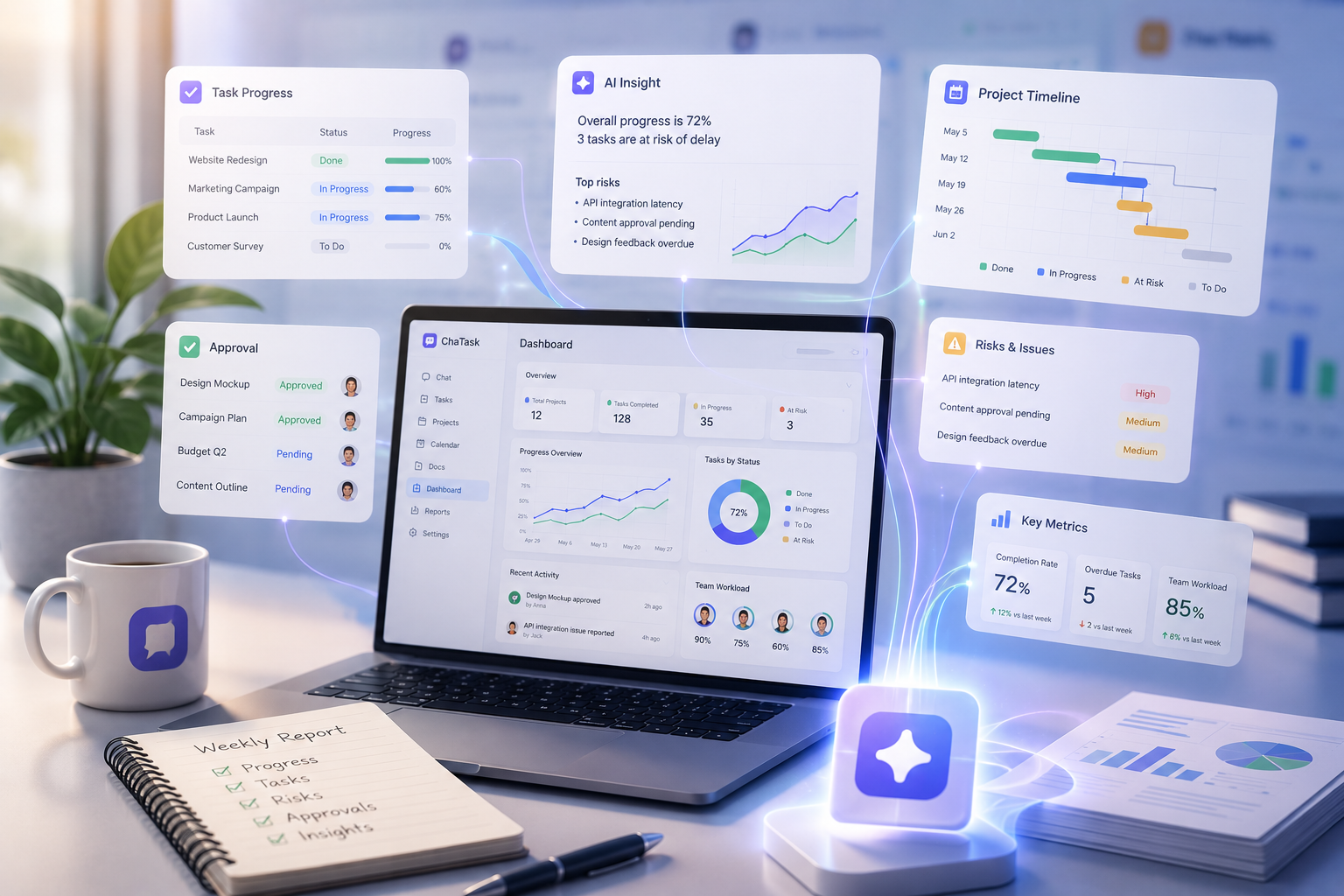
The combination of Agentic AI and Human-in-the-Loop is widely applied across industries. In marketing and content creation, AI can assist with drafting and ideation, while humans refine outputs to match brand voice. In design, AI can generate multiple concepts, but final decisions remain with designers. In software development, AI may generate code, but developers are responsible for reviewing and approving it.
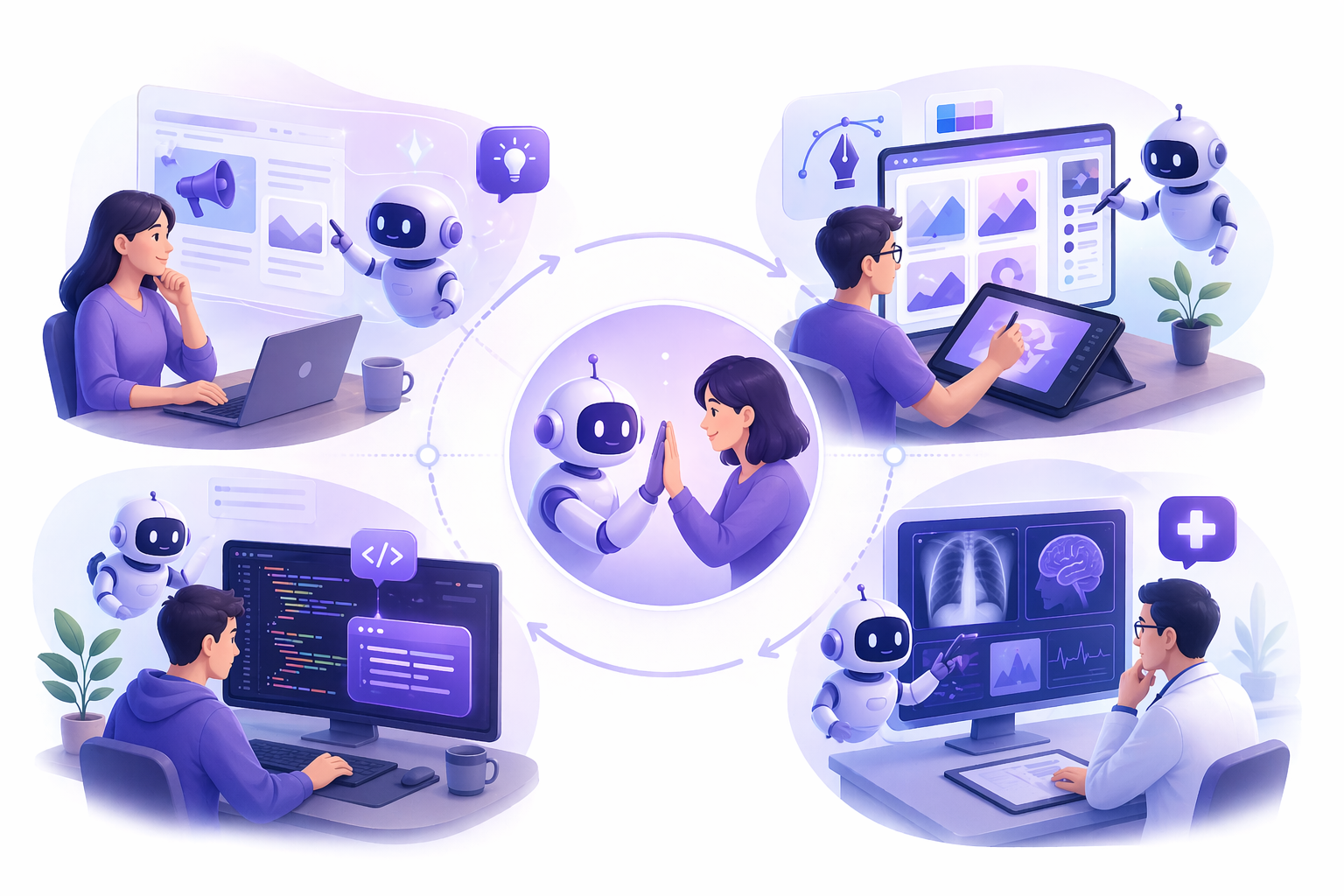
Even in healthcare, where accuracy and accountability are critical, AI serves as a decision-support tool, while doctors make final judgments. These examples demonstrate that AI enhances speed and scalability, while humans ensure quality and correctness.
Challenges of Implementing Human-in-the-Loop
Despite its benefits, implementing HITL presents several challenges. Human involvement can increase operational costs and introduce latency, particularly in large-scale systems. Human judgment can also be subjective, leading to inconsistencies without clear guidelines.
Scalability is another concern, as not all AI outputs can be manually reviewed. Organizations must develop intelligent triage systems to identify which cases require human intervention. Additionally, in specialized domains such as healthcare or finance, human reviewers must possess domain expertise, creating challenges in recruitment and training.
The Future of Agentic AI and the Role of Humans
Agentic AI is still in its early stages, but the trajectory is clear: these systems will become more powerful, adaptive, and deeply integrated into business operations. However, this does not mean humans will be replaced. Instead, human roles will shift from execution to supervision, guidance, and decision-making.
In the future, AI systems may learn when to consult humans and identify the right individuals for specific inputs. Human-in-the-Loop is likely to become a standard layer in AI architecture, similar to security or data management today. This reflects a key reality: the value of AI lies not in replacing humans, but in collaborating with them effectively.
The rise of Agentic AI marks a new era where AI can act independently. Yet, precisely because of this autonomy, maintaining Human-in-the-Loop is more critical than ever. It is not a limitation, but a foundation for building safe, reliable, and practical AI systems.
Ultimately, the most successful AI systems will not be those that operate alone, but those that effectively combine machine capabilities with human intelligence.