Many small teams today operate in a very familiar way: everything starts in chat.
Clients send requests through messages. Tasks are assigned directly in group chats. Deadlines are mentioned in messages. Files are buried somewhere in email, drive folders, or an old chat thread that disappeared days ago.
At the beginning, this way of working usually doesn’t create too many problems. The team is still small, workloads are manageable, and everyone can “remember” their own responsibilities. But as the number of projects grows, clients increase, and the team starts scaling, the lack of structure slowly becomes more visible.
A task gets forgotten because no one followed up. A brief gets buried among hundreds of messages. A task seems like someone is handling it, but in reality, no one owns it. Managers constantly have to ask for updates. Teams spend time searching for context instead of moving work forward.
What’s important is that most of these delays don’t come from the team’s capability. They come from workflows that are not clear enough.
Workflow is not a complicated system
When people hear the word “workflow,” they often imagine complex operational systems filled with dashboards, automation setups, and difficult processes. But for small teams, workflow is simply the way work moves clearly between people.
A customer sends a request. Someone receives the information. A task is created. The assignee works on it. A manager reviews it. The work gets completed.
It sounds simple, but in many small teams, this entire process exists only in memory and chat messages. When everything happens inside chat, work becomes fragmented very quickly.
As a result, teams rely on a huge amount of manual effort just to keep work moving: sending follow-up messages, asking for progress updates, copying information into task management apps, or switching between multiple tools just to complete one simple process.
The problem for many small teams is not a lack of tools — it’s too many disconnected tools
This is extremely common in modern teams.
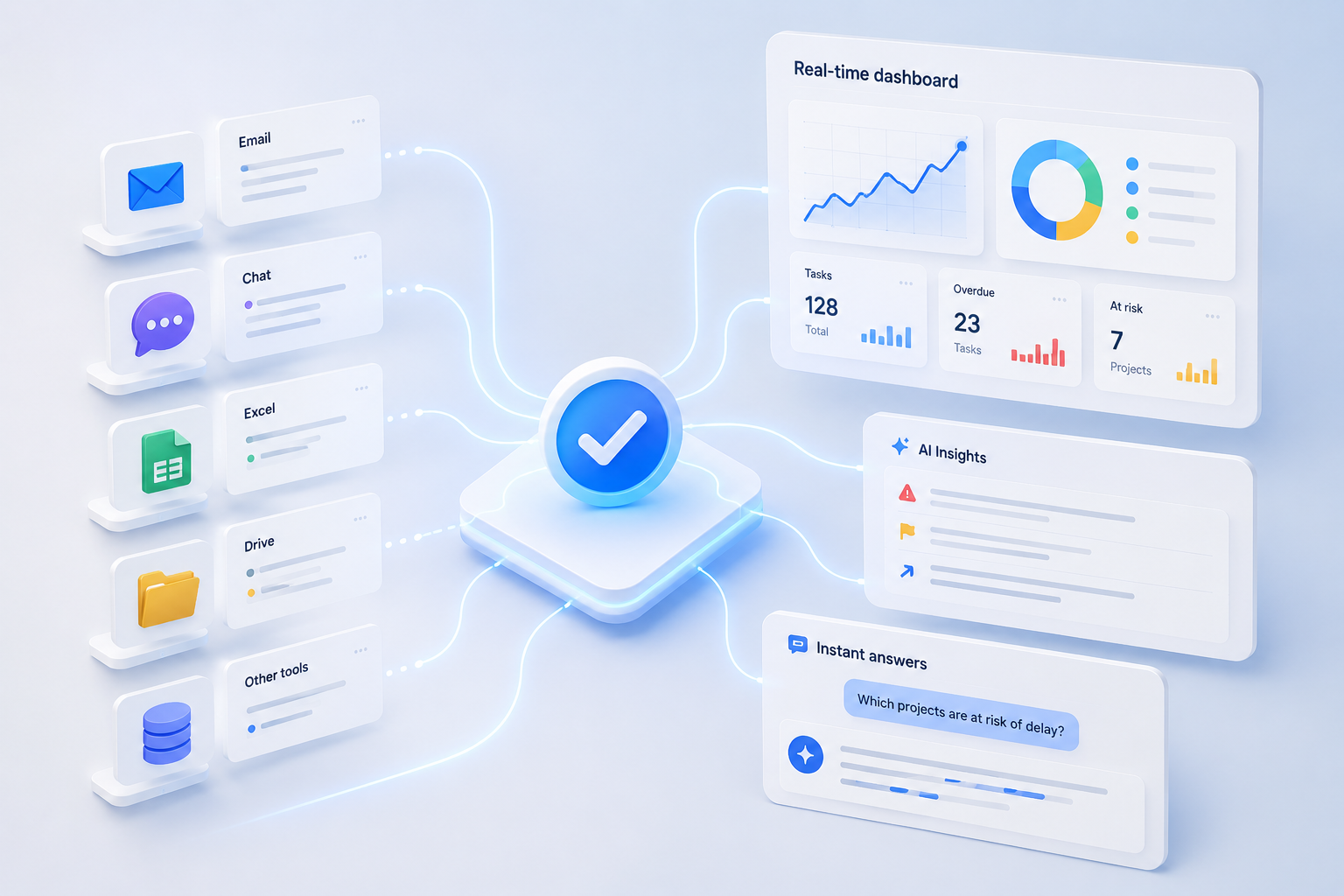
Chat happens in one place. Tasks live somewhere else. Files sit in a drive. AI tools are opened in separate tabs. To complete a single piece of work, employees constantly jump between platforms.
A content creator might receive a brief in chat, copy it into a task management tool, open AI to generate a draft, return to chat for feedback, and then send links to the designer. Just the act of “moving between apps” creates a huge amount of wasted time and breaks focus.
When workflows become fragmented, teams don’t just work slower — they also become harder to scale. The more people involved, the harder it becomes to control information.
That’s why modern workflows are gradually shifting toward more centralized ways of working, where chat, tasks, and AI are no longer separated systems.

A good workflow helps teams reduce daily chaos
The most important thing about workflow is not how many steps are automated. What matters most is making work clearer.
Every task should have a clear owner. Every deadline should be trackable instead of existing only in messages. Every discussion should stay connected directly to the related work instead of being scattered across different platforms.
When workflows become clear enough, teams spend far less time “asking again.” Managers no longer need to manually follow up all day. New employees can onboard more easily because the entire process already has structure.
At the same time, AI is starting to play a much bigger role in modern workflows. But instead of becoming “another tool to open,” AI works best when it exists directly inside the workflow itself.
That could mean automatically summarizing conversations, helping generate content drafts, suggesting next actions, or assisting teams with faster follow-ups without requiring excessive manual work.
Why are more small teams moving toward all-in-one workflows?
For small businesses, work usually doesn’t slow down because of one major issue. It slows down because of dozens of tiny repetitive actions happening every day.
Opening multiple apps. Searching for old information. Copying data between tools. Manually reminding people about deadlines. Asking for status updates again and again.
Each action may only take a few minutes, but together they create a massive “invisible operational cost.”
Modern teams are increasingly prioritizing platforms where the entire workflow happens in one connected flow. When chat, tasks, AI, and collaboration are connected together, work becomes dramatically smoother.
Information no longer gets lost. Context always stays attached to the task. Teams rely less on personal memory and can scale processes much more easily.

ChaTask was built for that way of working
Instead of treating chat as just a place for conversation, ChaTask was built around the idea of turning conversations into real actions.
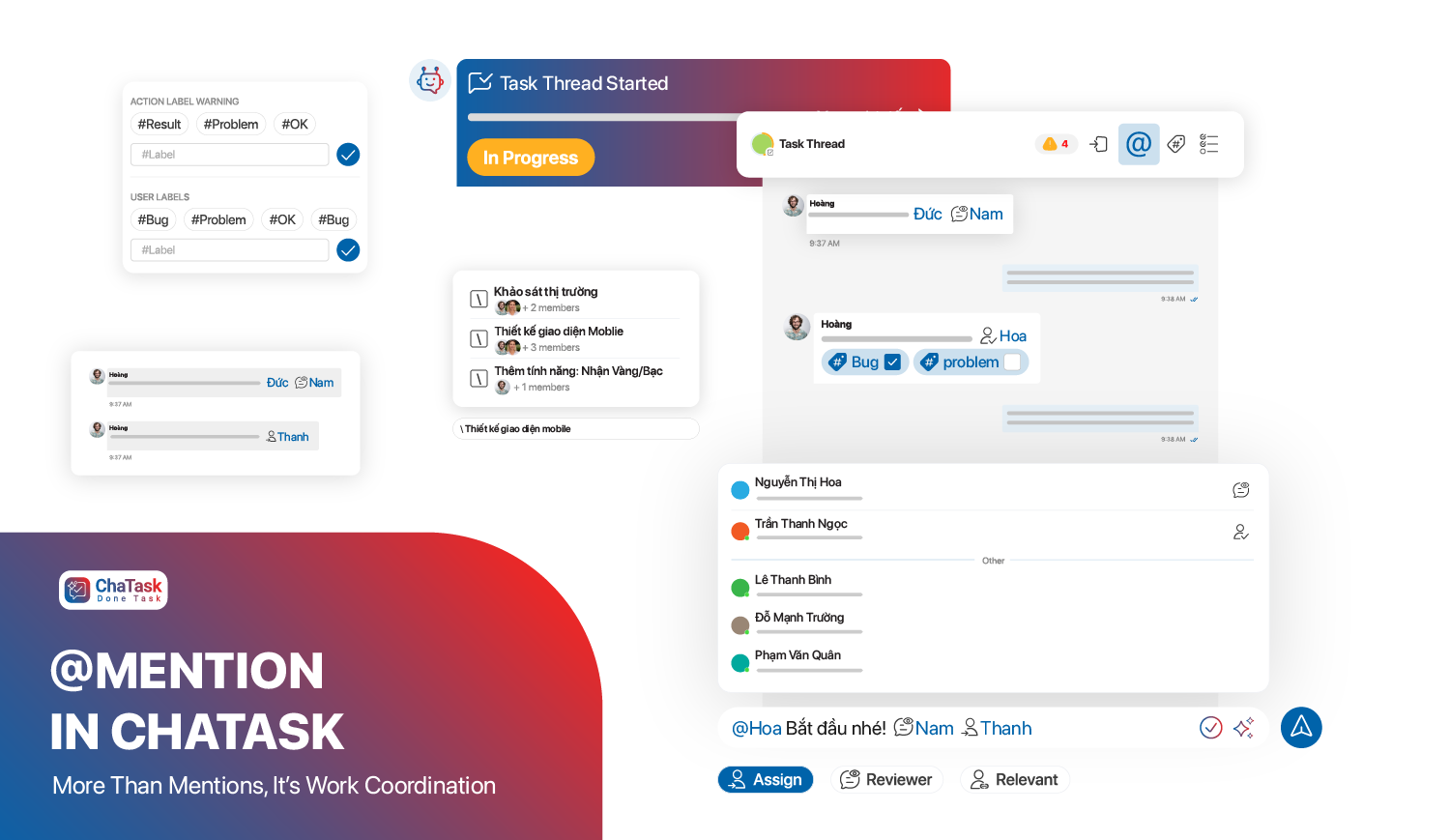
Inside ChaTask, a chat message can quickly become a task. AI can assist directly within the workflow instead of forcing users to switch tools. Conversations, updates, and work progress all stay connected within the same context.
This helps small teams significantly reduce the manual work that consumes so much time every day.
Instead of the process being: “finish chatting, then create a task,”
the workflow becomes: “chat is where work begins.”
That’s why more and more small teams are looking for workflows that are simpler, more connected, and better suited for modern ways of working.
Because during growth stages, teams don’t simply need more tools.
What they truly need is a workflow that helps work get done more clearly, faster, and with far less daily chaos.