The rapid advancement of artificial intelligence (AI) is transforming how teams operate in digital environments. Rather than simply automating tasks, AI is increasingly becoming a “digital teammate” that helps analyze data, suggest actions, and optimize workflows.
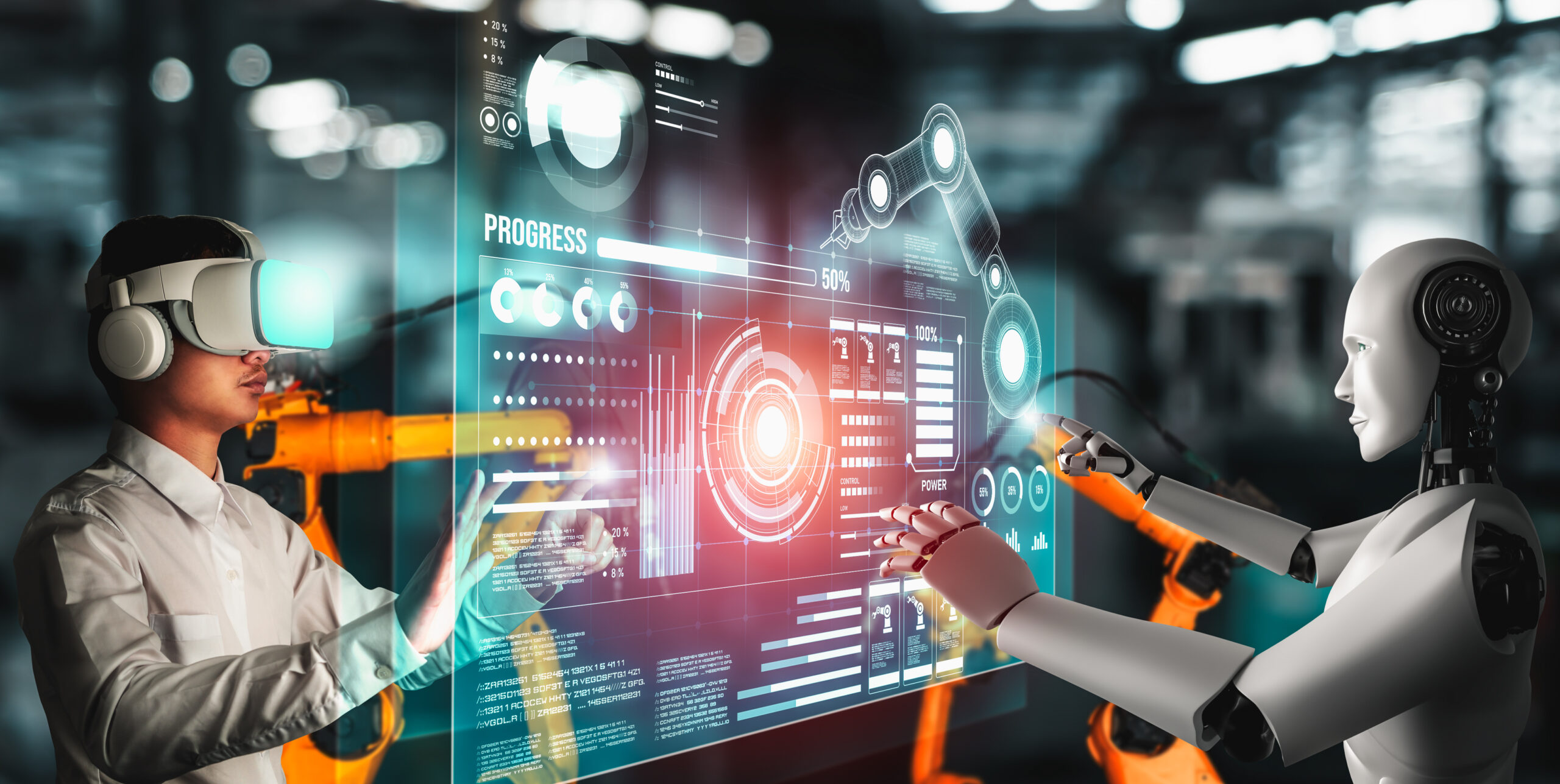
When integrated into collaboration platforms, AI contributes to the emergence of the intelligent workspace - where humans and smart systems work together to improve productivity and accelerate decision-making. This collaboration between humans and AI is gradually shaping the future of work.
A New Era of Human–AI Collaboration
In today’s digital economy, AI is no longer a concept of the future - it has become part of how organizations operate. One of the most notable shifts in modern workplaces is the rise of AI agents - “digital collaborators” that assist humans in handling tasks, analyzing data, and automating repetitive processes.
From startups to large enterprises, AI is increasingly embedded into team operations to augment human capabilities rather than replace them. As AI takes on data-heavy and process-driven work, humans can focus on higher-value areas such as creativity, strategic thinking, and decision-making.
This shift is creating a new working model where humans and AI collaborate to achieve better outcomes. Rather than a competition between humans and machines, the future of work is being shaped by their collaboration - combining the speed and data-processing power of AI with human experience, judgment, and empathy.
The Evolving Role of AI at Work
In the past, many believed AI would replace human workers and eliminate jobs. In reality, AI is reshaping work rather than simply removing it. Studies suggest that while automation may replace millions of jobs, it will also create new roles designed around human–machine collaboration.
In this model, AI handles repetitive tasks, large-scale data processing, and standardized workflows. Meanwhile, work that requires critical thinking, creativity, communication, and decision-making remains a human strength. This is leading to the emergence of a hybrid workforce, where humans and AI complement each other.
Rather than replacing people, AI reduces procedural work, allowing humans to focus on higher-value tasks such as generating insights, building strategies, and developing relationships. The future of work is not about competition - it’s about collaboration. Organizations and individuals who effectively leverage AI will gain a significant advantage in this new environment.
What Are AI Agents?
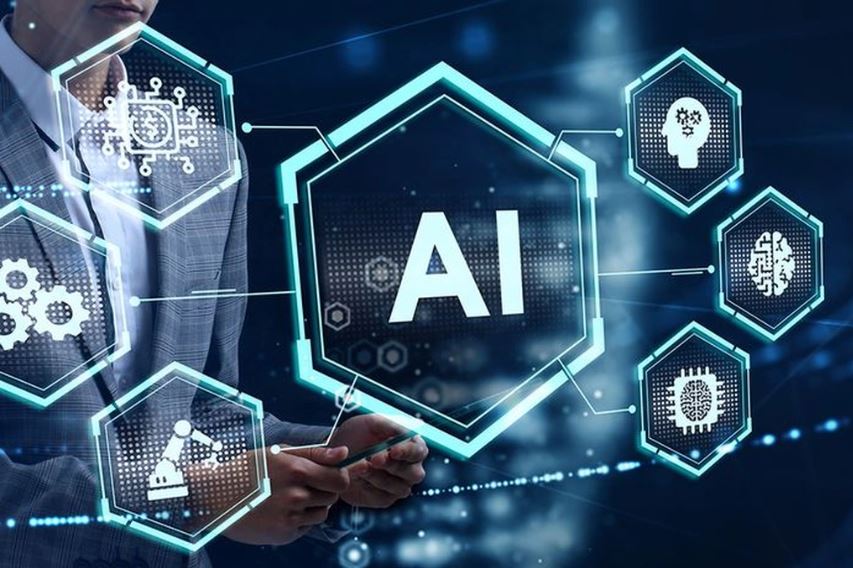
AI agents are systems capable of autonomously executing tasks toward a defined goal. Unlike traditional software that simply responds to commands, AI agents can analyze data, understand context, and proactively take actions to complete tasks with minimal human intervention.
Their key differentiator lies in their ability to learn from data, adapt to context, and improve performance over time. This enables them not only to automate simple tasks but also to support more complex workflows, especially in digital work environments.
Today, AI agents are already present in many business functions. For example:
-
Customer support bots like Zendesk AI and Intercom handle common inquiries 24/7
-
AI coding assistants like GitHub Copilot help developers write code, detect errors, and accelerate development
-
Tools like Clockwise and Reclaim.ai optimize schedules, reduce meeting overload, and create more focus time
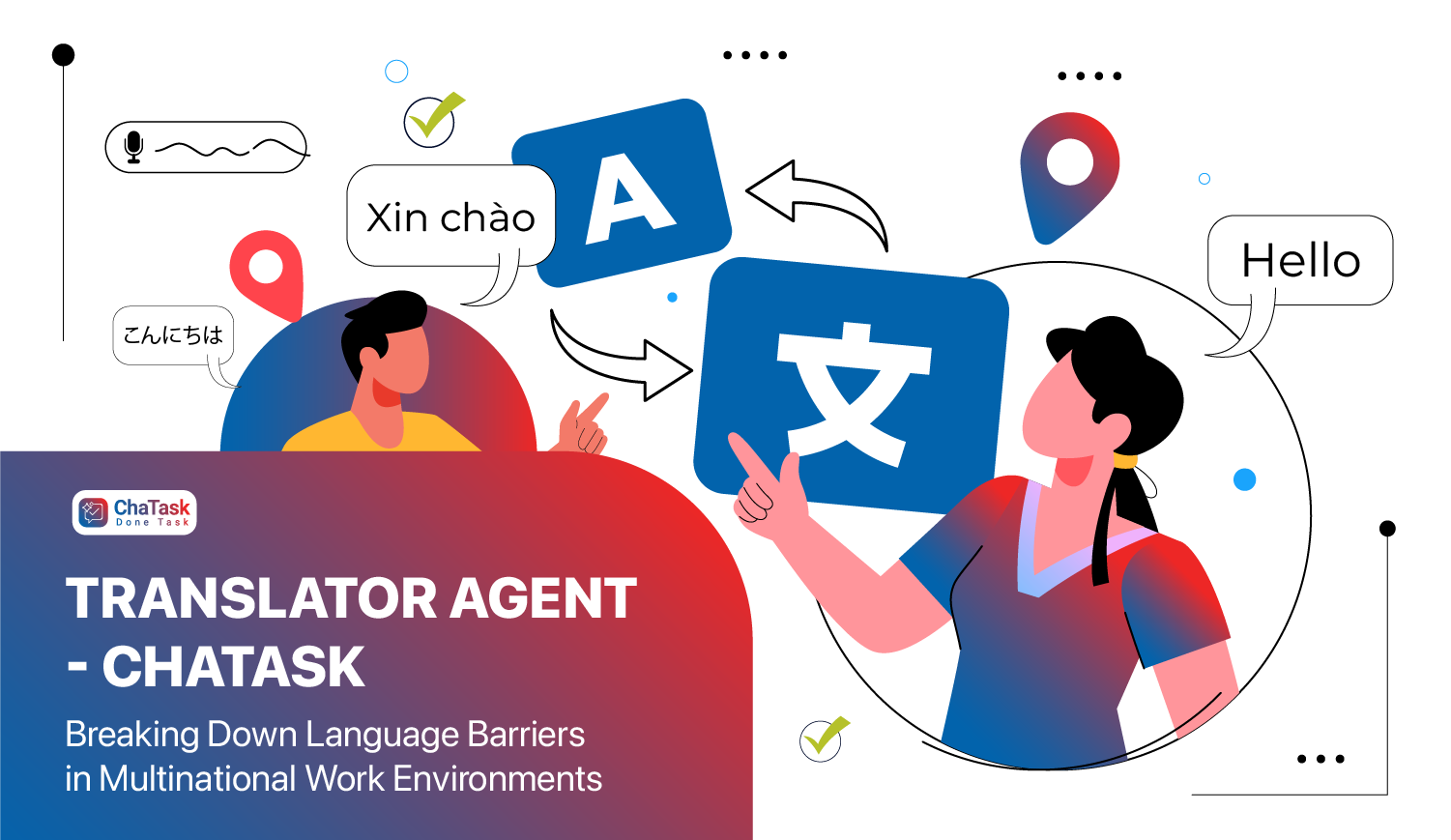
Beyond these, modern work platforms are building AI agents directly into team workflows. In ChaTask, AI can function as specialized agents such as:
-
Task Agent: creates, summarizes, and tracks task progress
-
Knowledge Agent: extracts insights from documents, files, and discussions
-
Meeting/Chat Agent: summarizes conversations and converts key decisions into actionable tasks
-
Workflow Agent: monitors project progress and flags risks or bottlenecks
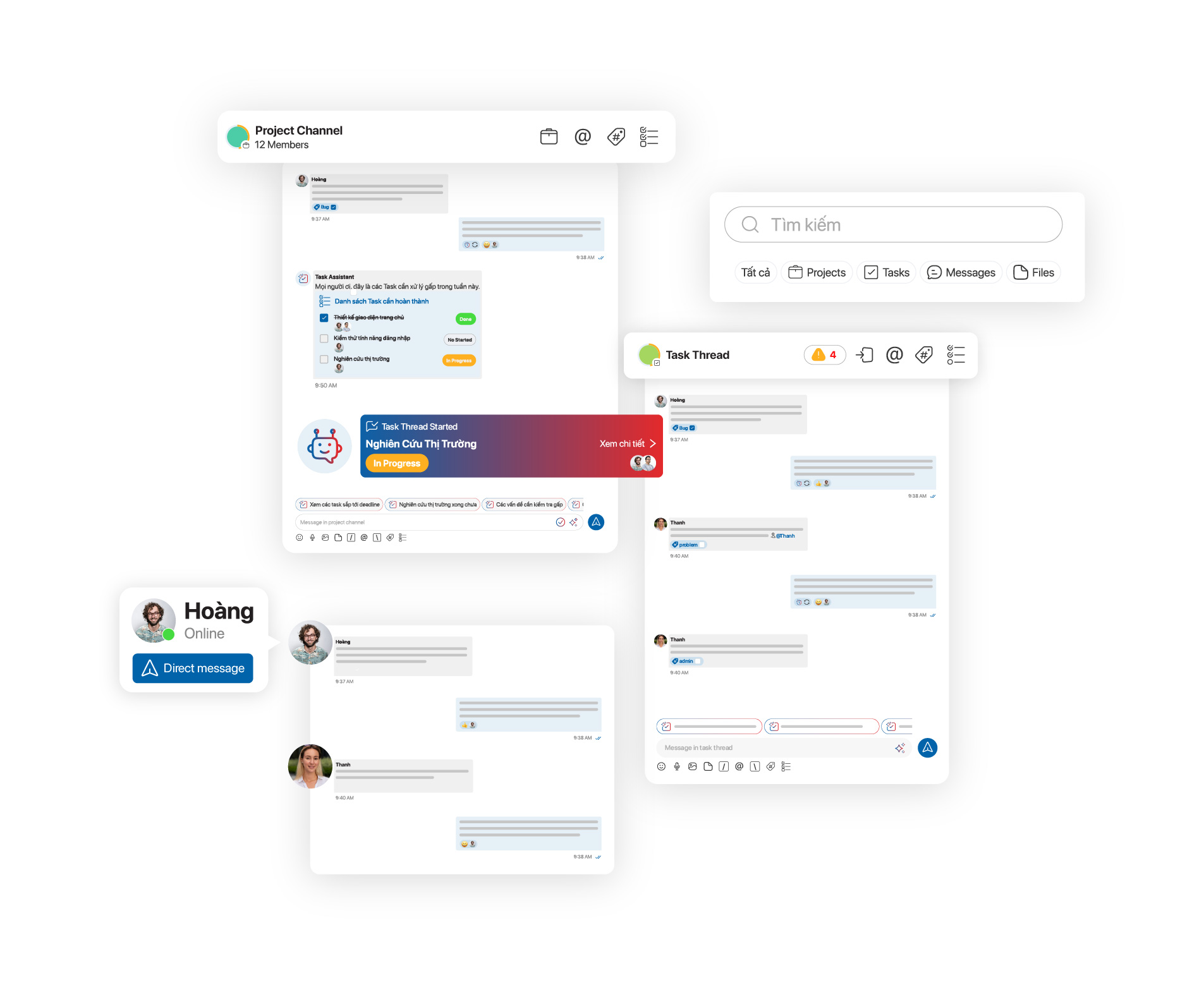
These agents don’t replace humans—they act as digital assistants throughout the workflow. According to a 2024 Deloitte study, over 60% of global enterprises have integrated AI agents into their workflows, particularly in IT, marketing, HR, and customer service.
Human–AI Collaboration Across Industries
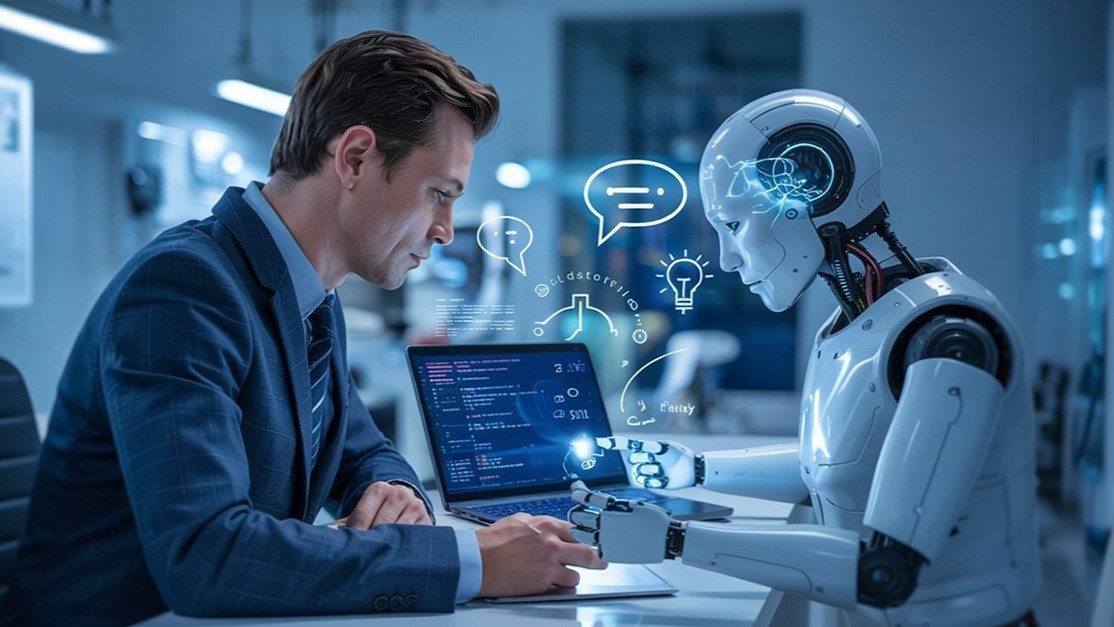
Today, many teams are no longer made up of humans alone. AI agents are increasingly embedded into workflows, assisting with data analysis, repetitive tasks, and decision support. This Human + AI model is reshaping how teams operate, assign responsibilities, and measure performance.
Rather than replacing humans, AI acts as a support layer that enables teams to work faster and focus on higher-value tasks.
Marketing
AI analyzes market trends, customer behavior, and campaign performance to suggest content ideas and audience segments. Meanwhile, branding, storytelling, and emotional connection remain human-driven.
Sales
AI prioritizes leads, predicts deal outcomes, and recommends next steps. Sales professionals focus on building trust, understanding customer needs, and closing deals.
Product Development
AI processes user data and feedback to identify patterns, while product and design teams turn insights into features and strategy.
Healthcare
AI analyzes medical images such as X-rays and MRIs with high speed and accuracy. Doctors make final decisions based on clinical experience and ethical considerations.
Customer Service
AI chatbots handle common inquiries, while human agents manage complex or sensitive interactions. Some systems even analyze conversations in real time to suggest responses or detect customer sentiment.
Operations & Manufacturing
AI monitors operational data, predicts equipment failures, and optimizes processes. Humans handle strategic decisions and complex scenarios.
According to McKinsey (2024), organizations that integrate AI into team operations have seen productivity gains of up to 40% in areas such as operations, customer support, and product development.
Benefits of Human–AI Collaboration
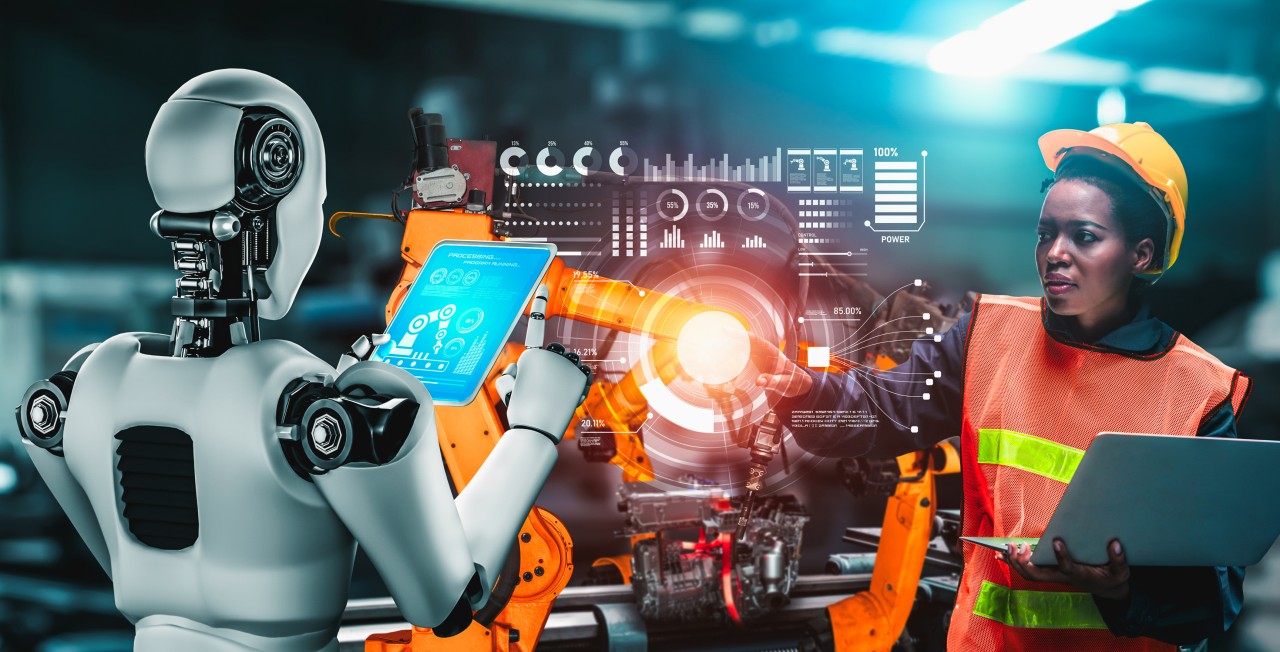
When AI agents are properly integrated into workflows, they do more than just automate tasks - they enhance human capability. The combination of AI’s data-processing power and human experience can lead to significant improvements in productivity, speed, and work quality.
Faster, data-driven decision-making
AI can process vast amounts of data in a short time, identifying trends or anomalies that are difficult for humans to detect. As a result, managers gain valuable insights to make faster and more accurate decisions. Many forecasts suggest that in the coming years, the majority of business decisions will be supported by AI.
Reduced repetitive workload
Many office tasks such as data aggregation, report generation, information classification, and meeting scheduling can be automated by AI. This allows teams to spend less time on procedural tasks and focus more on strategic and creative activities.
Accelerated innovation
When teams are no longer overwhelmed by repetitive work, they have more capacity to experiment with new ideas. AI can also support the analysis of market data, customer feedback, and user behavior, helping businesses identify product development opportunities more quickly.
Improved customer experience
AI agents can support customer service 24/7, handle basic requests instantly, and provide context-aware information. This reduces response time and delivers a more personalized experience for customers.
Higher accuracy and consistency
Unlike humans, AI does not get tired or lose focus when handling large workloads. As a result, tasks such as data processing, information verification, and workflow monitoring can be performed with greater accuracy and consistency.
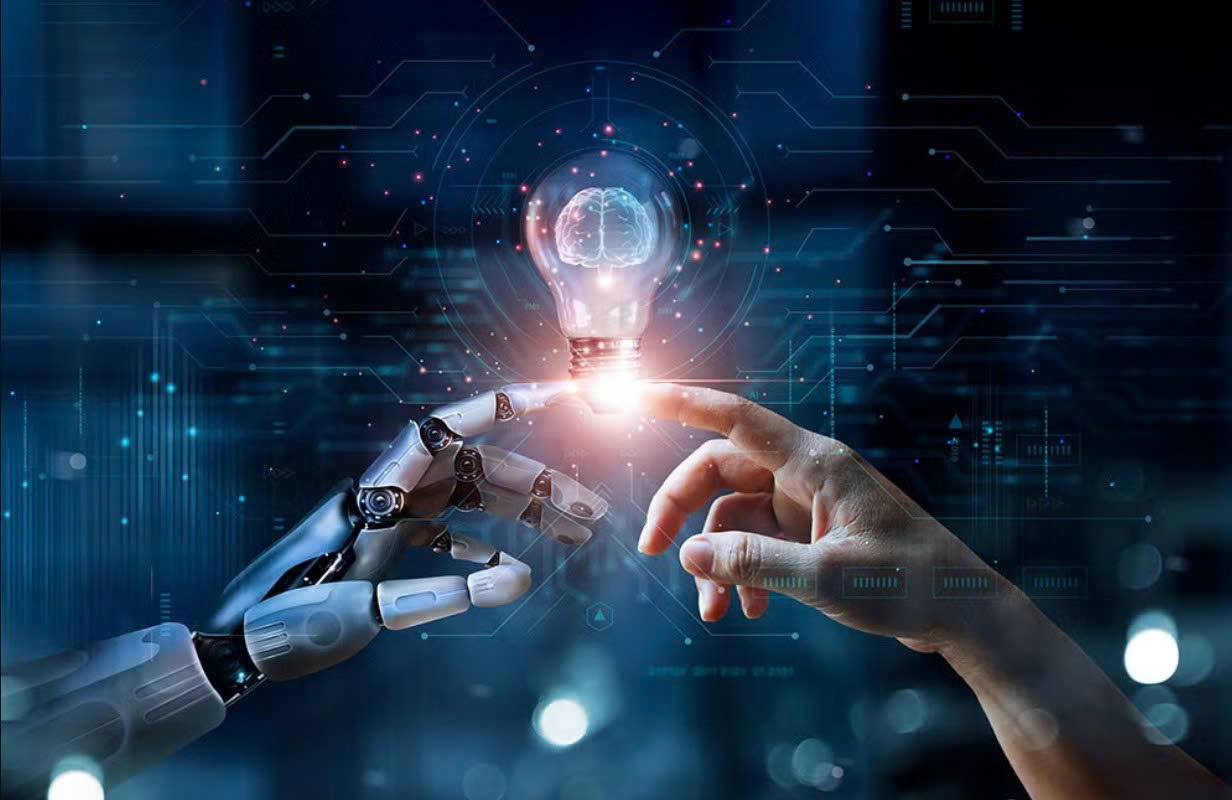
With ChaTask, AI agents are built on the principle of collaboration rather than replacement. We create intelligent “digital teammates” that integrate seamlessly with your systems and business goals, helping you achieve speed, scalability, and strategic focus while preserving the human element.
Overall, when humans and AI are designed to work together, AI takes on data-intensive and process-driven tasks, while humans focus on creativity, strategy, and decision-making. This combination is enabling organizations to work faster, smarter, and more effectively in today’s digital environment.
The Role of Humans Is More Important Than Ever
Despite the rapid advancement of AI, there are still core capabilities that technology cannot easily replace. Intuition, empathy, contextual understanding, and ethical judgment remain inherently human strengths.
Understanding context and the meaning behind data
AI can detect patterns in data, such as the risk of customer churn. However, understanding the true causes—whether they stem from customer experience, emotions, or business strategy—still requires human perspective.
Ethics and empathy
AI can propose solutions based on data, but evaluating whether those decisions are reasonable, fair, or aligned with organizational values depends on humans. This is especially important in human-centered fields such as services, healthcare, and education, where empathy cannot be replaced by technology.
Creative and strategic thinking
Activities such as building strategies, developing brands, storytelling, and generating new ideas remain human strengths. While AI can assist with analysis and suggestions, the final creative direction comes from human thinking.
Defining goals and problems to solve
AI excels at optimizing solutions, but humans are the ones who ask the right questions. Defining business goals, identifying the right problems to solve, and shaping product direction all require human strategic thinking.
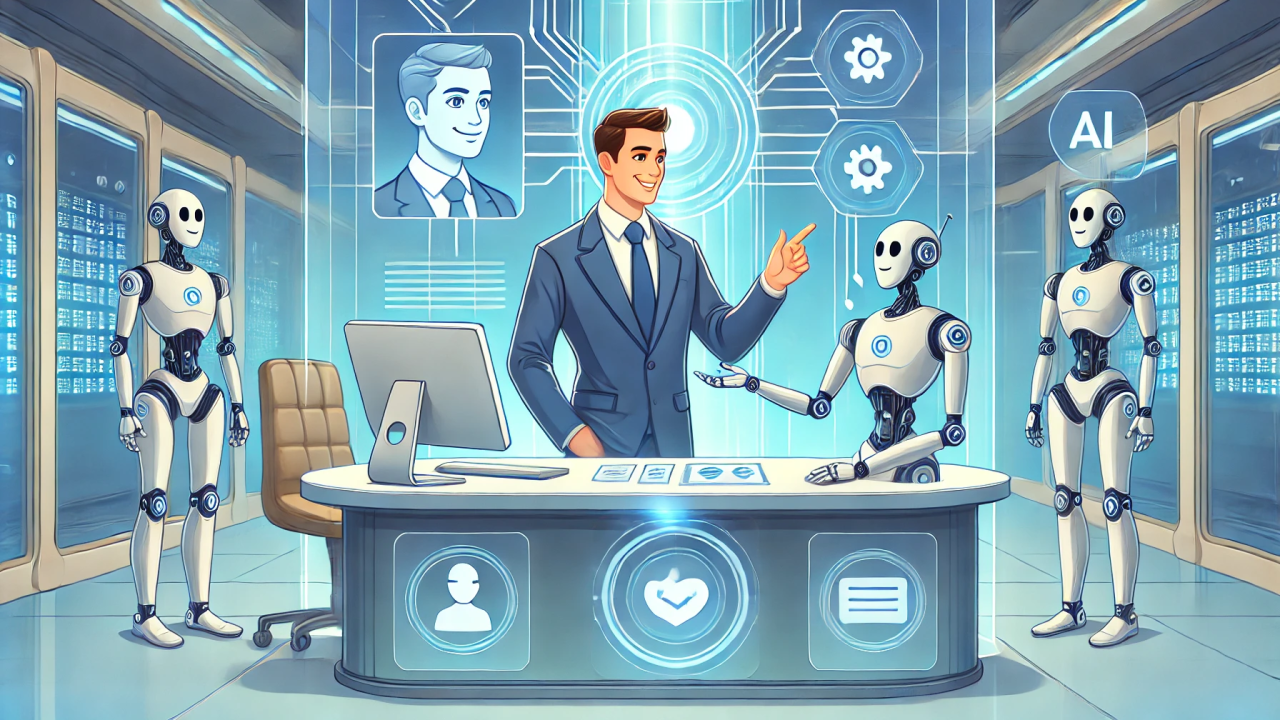
Supervising and validating AI outputs
AI can make mistakes or produce biased results if input data is incomplete. Therefore, humans play a critical role in reviewing, evaluating, and refining AI outputs to ensure accuracy and real-world relevance.
Building connections and relationships
In business environments, many decisions are not based solely on data - they also involve trust, communication, and collaboration between people. Building relationships with customers, partners, and internal teams remains a fundamentally human responsibility.
Therefore, the key to the AI era is not to reduce the role of humans, but to redefine it. ChaTask designs AI agents to support—not overshadow—human talent. Our solutions enable businesses to thrive in the AI era while preserving what truly differentiates them: their people.
Research also shows that in the coming years, skills such as critical thinking, creativity, and emotional intelligence will become increasingly important. This reinforces the idea that in the new work environment, AI does not replace humans—it empowers them to perform at their best.