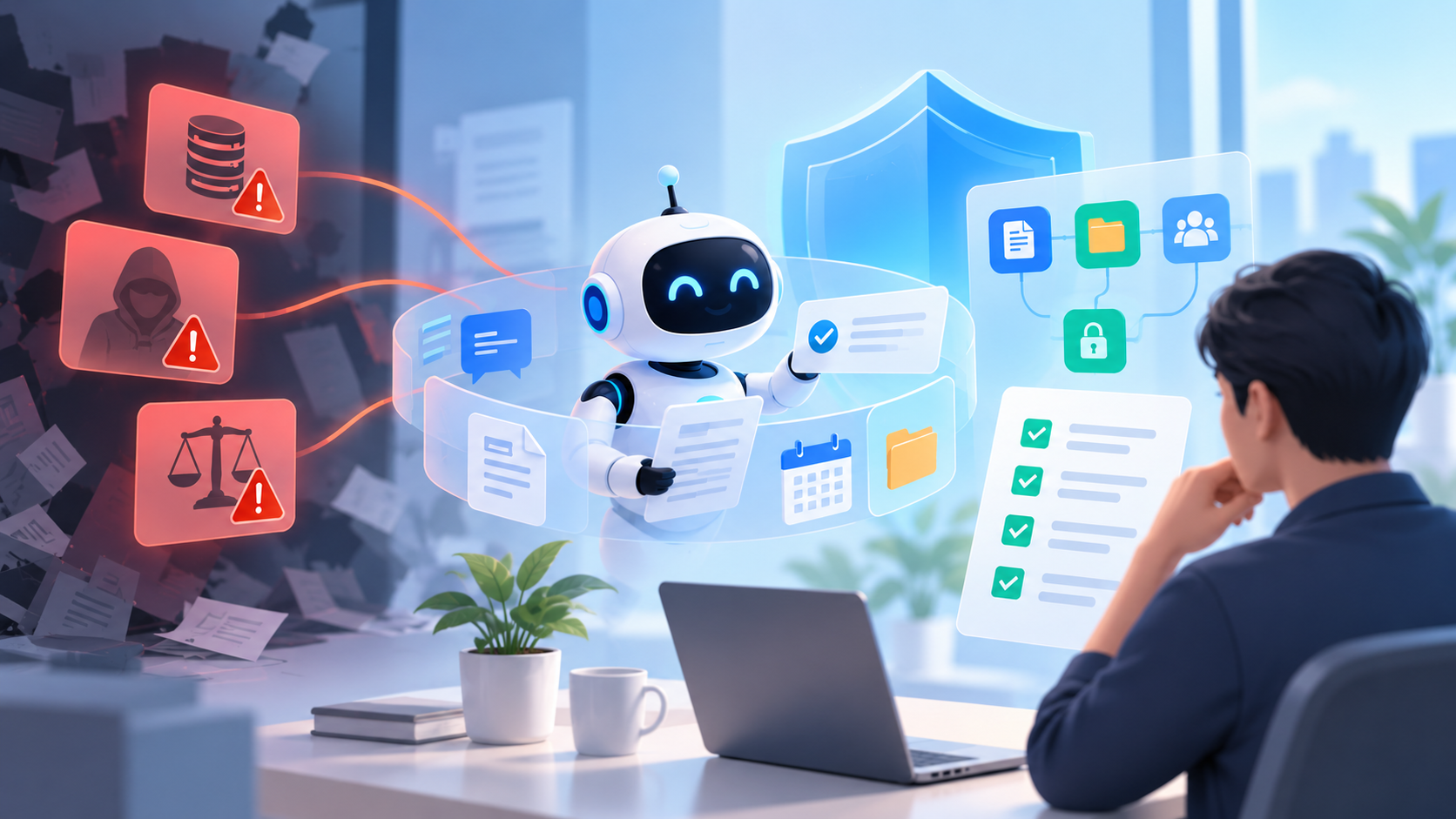
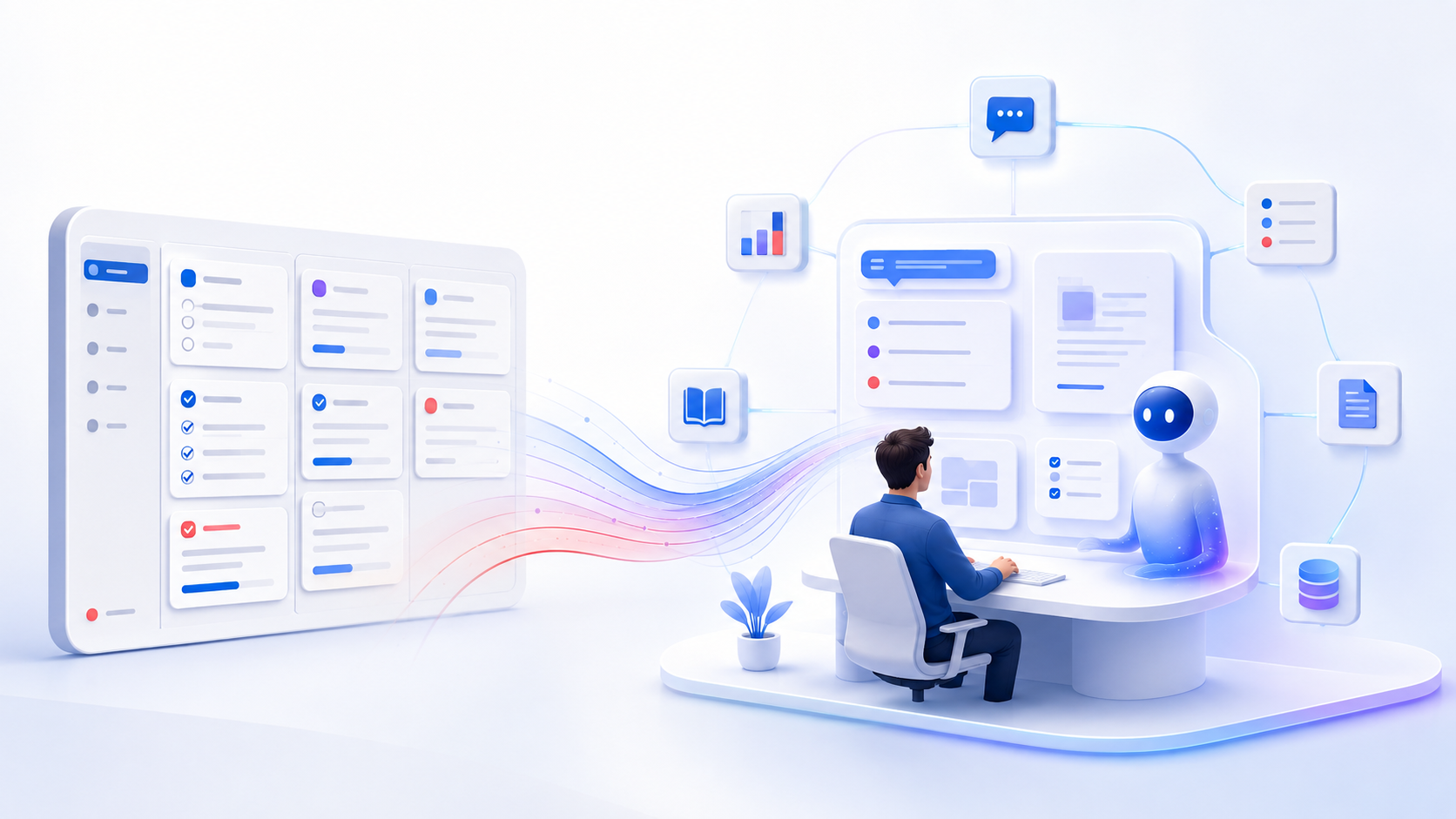
Just a few years ago, AI was considered a supporting tool. Businesses used AI to write content, translate documents, or generate images more efficiently.
Today, AI is taking on an entirely different role. Instead of simply assisting individuals, AI is becoming an active part of business operations. From answering questions and generating reports to tracking project progress, analyzing data, and supporting decision-making, AI is gradually becoming a "digital coworker" within organizations.
This is why the concept of the AI First Company has emerged and is receiving increasing attention.
What Is an AI First Company?
An AI First Company is an organization that designs its operations with the assumption that AI should be the preferred choice for handling tasks that can be automated.
Key Characteristics of an AI First Company
-
AI is integrated into products and workflows from the very beginning.
-
Decisions are driven by real-time data.
-
Continuous innovation and improvement are part of the company's culture.
This does not mean AI replaces people or that every decision is made by AI. Instead, AI takes over repetitive, time-consuming, and standardized tasks, allowing people to focus on work that requires critical thinking, creativity, and decision-making.
In other words, being AI First isn't about using the largest number of AI tools. It's about making AI an integral part of everyday business operations.
How Is AI First Different from Simply Using ChatGPT?
Today, many businesses already use ChatGPT or other AI tools. However, that alone does not make them an AI First Company.
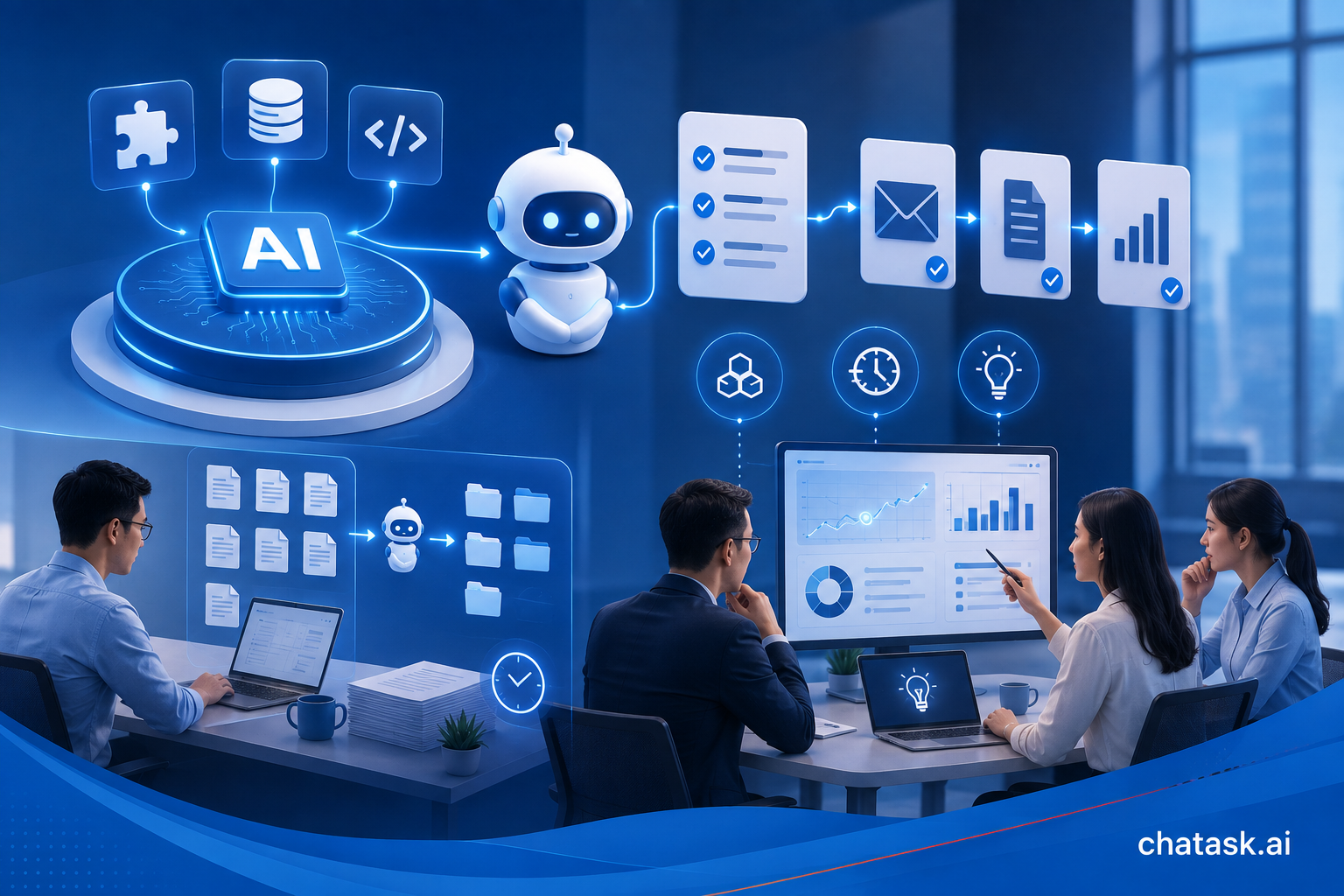
In many organizations, AI remains a personal productivity tool. Employees use ChatGPT individually to write emails, summarize documents, or complete isolated tasks. The data is disconnected, AI has no understanding of internal business processes, and it cannot support the organization as a whole.
An AI First Company operates differently. AI is connected to business data, integrated into operational workflows, and capable of supporting multiple departments simultaneously.
For example, AI can automatically summarize project progress, monitor deadlines, send reminders, answer questions from the company's knowledge base, or identify tasks that are at risk of delay without waiting for employees to compile reports manually.
Why Is AI First Becoming a Trend?
Modern businesses do not lack data. What they lack is the ability to turn that data into meaningful information at the right moment.
Every day, employees generate thousands of emails, messages, documents, and tasks. If every piece of information must be read, consolidated, and reported manually, decision-making inevitably becomes slower as the business grows.
AI changes that.
Instead of waiting for end-of-day or end-of-week reports, businesses can leverage information as soon as it is created. AI continuously analyzes data, detects anomalies, summarizes important updates, and provides real-time alerts.
As a result, managers spend less time searching for information and more time making decisions.

How Does an AI First Company Operate?
In an AI First organization, AI is not limited to a single department—it supports the entire workflow.
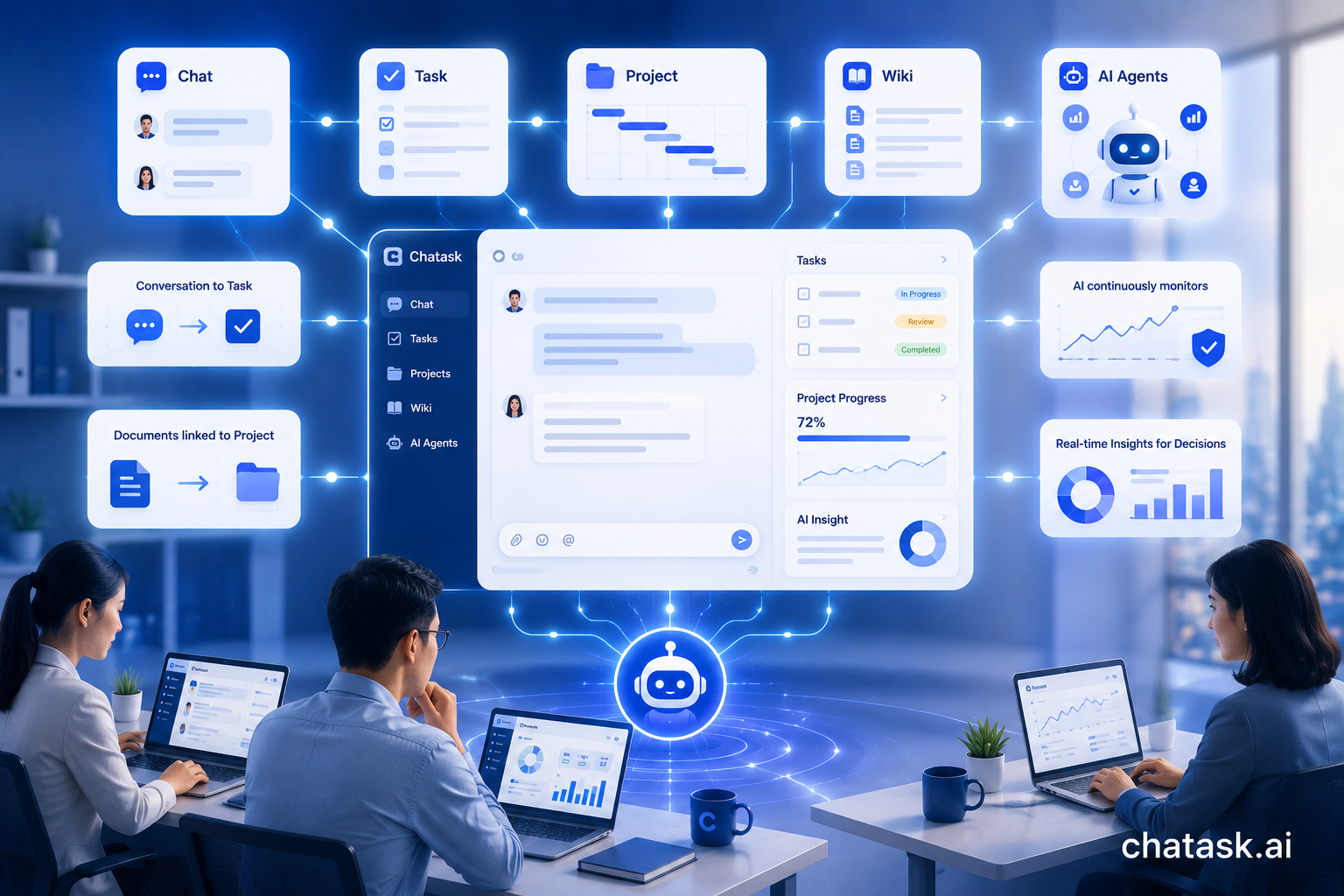
A conversation can automatically become a Task. Once the Task is created, AI monitors its progress, reminds team members about deadlines, and detects potential risks. When documents are updated, AI automatically incorporates them into the company's knowledge base so employees can easily retrieve them later. When managers need information, AI analyzes data across the entire system and provides answers in natural language.
People still make the final decisions, but they no longer need to spend valuable time gathering information before they can make them.
AI Agents Will Become the Core of AI First Companies
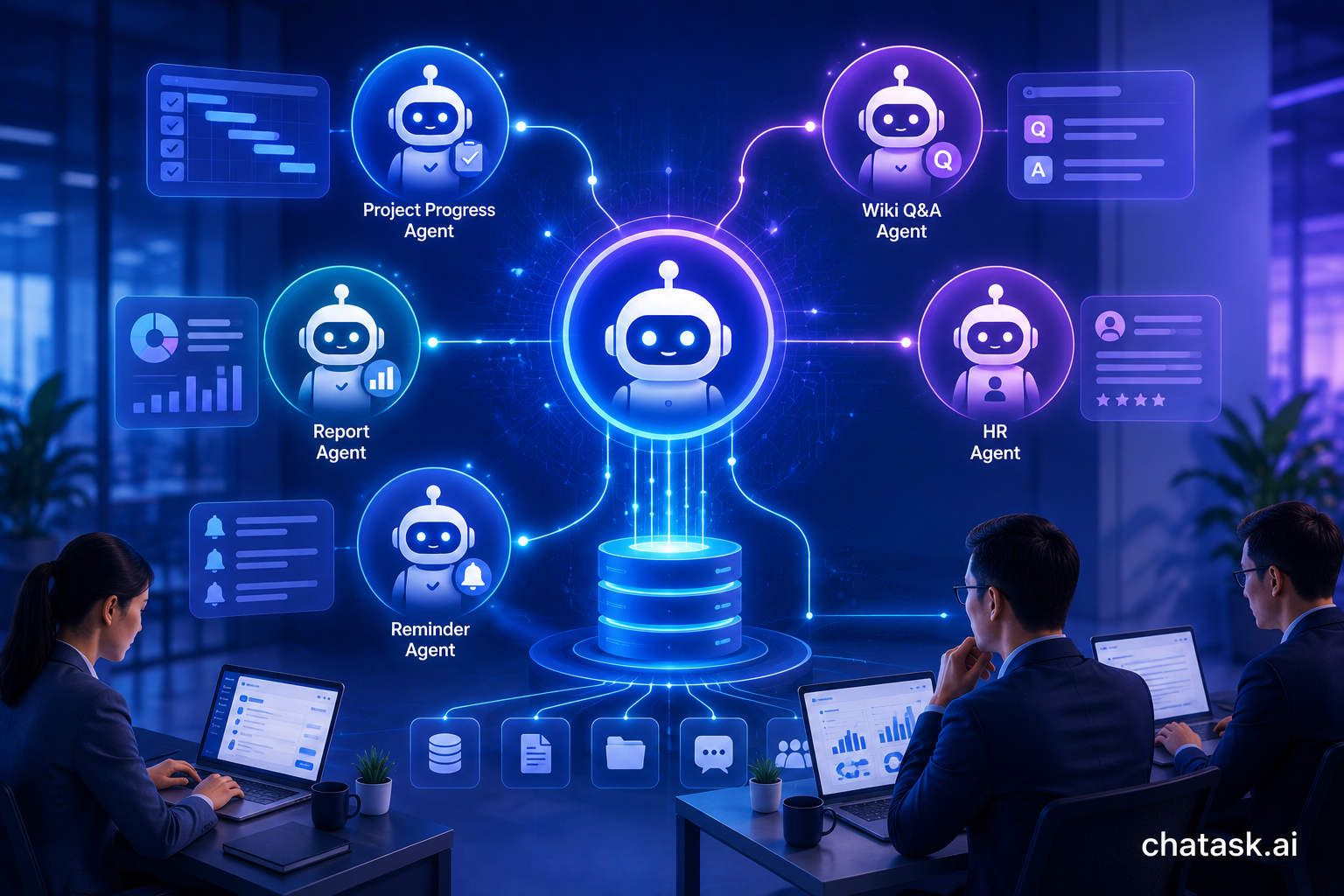
In the past, businesses deployed separate software for different business functions. The emerging trend is to build teams of specialized AI Agents instead.
Each AI Agent performs a specific role. One Agent tracks project progress. Another answers questions using the company Wiki. Others generate reports, support HR operations, or automatically remind employees about upcoming tasks.
These AI Agents do not work independently. They all access the same unified business data, ensuring consistency and enabling them to support one another throughout business operations.
The Biggest Challenge Isn't AI
Many organizations believe that the biggest obstacle to becoming AI First is choosing the right AI model.
In reality, the bigger challenge is data.
If documents are stored in Google Drive, tasks are managed in Excel, conversations happen across multiple chat applications, and business processes exist only in employees' minds, AI simply won't have enough context to generate accurate answers.
To unlock AI's full potential, businesses need a unified work environment where data, tasks, documents, and organizational knowledge are all connected.
How ChaTask Helps Businesses Become AI First
Chatask is built with the vision of becoming an AI Workspace for modern businesses.
Within Chatask, Chat, Tasks, Projects, Wiki, and AI Agents are not isolated features - they work together inside a single workspace. Every conversation can become a task, every document is linked to the appropriate project, and AI continuously monitors business activities across the organization.
Instead of simply helping individuals write content or answer questions, ChaTask's AI can summarize project progress, generate reports, analyze business data, answer questions using the company's knowledge base, and support managers in making decisions based on real-time information.
This is the foundation of an AI First Company, where AI is no longer just another tool but an essential part of how the business operates every day.
Conclusion
An AI First Company is not the business that uses the most AI tools, nor is it a business that replaces people with AI.
It is a business that enables AI to handle repetitive work, connect organizational data, and deliver the right information at the right time, allowing people to focus on what matters most: innovation, problem-solving, and decision-making.
In the future, competitive advantage will no longer depend on whether a business uses AI. It will depend on how deeply AI is integrated into everyday workflows. Organizations that begin building unified data foundations, standardizing processes, and embedding AI into daily operations today will be far better positioned to become true AI First Companies in the years ahead.